.png)

Part of The Future of MSK at Work: Clinical Insights Series
Musculoskeletal health is often talked about in terms of pain.
Back pain. Neck pain. Shoulder pain. Knee pain.
But one of the key insights Vitrue’s clinical team brought back from recent MSK, bone health and pain science conferences is that pain is only one part of the picture.
Across sessions at WCO-IOF-ESCEO and the British Pain Society Annual Scientific Meeting, a broader theme emerged: if employers want to support MSK health earlier, they need to understand the signals that can appear before pain becomes disruptive.
For employers, one of the most important questions is not just "Who is in pain?” but “What early signals suggest someone may be at risk?”
Those signals can include reduced strength, lower balance, declining activity levels, poorer movement confidence or changes in how someone moves day to day.
They matter because MSK risk can build before someone reports significant pain. By the time pain becomes disruptive, changes in function, confidence or capacity may already be affecting how someone works, moves and recovers.
This is why the future of MSK prevention needs to look beyond pain alone.
Pain is important, but it is not the only signal
Pain is an important clinical signal, but it should not be the only one employers rely on.
A recurring message from the clinical conferences Vitrue attended was that MSK risk is not always visible through pain alone. Some people do not ask for help early. They may normalise discomfort, reduce activity, avoid movement or quietly adapt until the problem becomes harder to manage.
That means a prevention-first MSK strategy needs to ask what may be happening before pain escalates.
Is someone becoming less active? Are they losing confidence with movement? Are they showing reduced strength or balance? Are they adapting how they move because everyday tasks feel harder?
These are not just wellbeing observations. They can be early indicators of reduced function.
Strength, balance and activity can reveal earlier risk
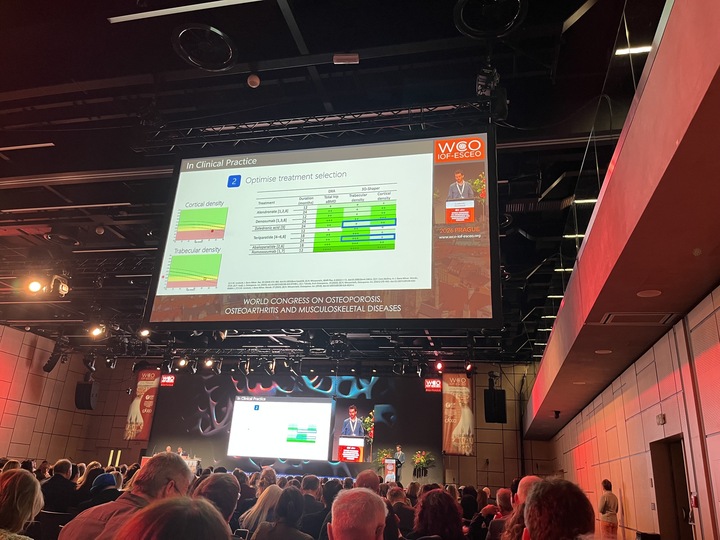
At WCO-IOF-ESCEO, one of the key themes from the ROAD and SALSA ageing discussions was the role of strength, balance and physical activity in long-term MSK health.
For employers, this is an important shift in thinking.
Reduced activity, poorer strength, lower balance and declining movement confidence can all suggest that an employee may benefit from support, even if they are not yet reporting significant pain.
This becomes particularly relevant as workforces age.
An employee may not describe themselves as injured. They may simply become less active, less confident with movement or more affected by everyday physical demands. Over time, that can influence productivity, resilience, recovery and overall wellbeing.
A clinically informed MSK strategy needs to identify these signals earlier, before they become more difficult to reverse.
Functional decline can start before symptoms become disruptive
Another important takeaway from the WCO-IOF-ESCEO conference was around sarcopenia and healthy ageing.
Sarcopenia is often thought of as muscle loss, but the clinical discussion emphasised that it is really about muscle function, not just muscle mass. It increases with age, is potentially reversible, and muscle-specific strength can predict outcomes.
This has a clear workplace implication.
MSK health should not only be measured by whether someone currently has pain. It should also consider whether people have the strength, balance and capacity to keep functioning well.
For employers, this means MSK strategy is not only about reducing pain today. It is also about protecting function for the future.
The right signals can make MSK support more proactive
Taken together, the conference insights point to a clear direction: a pain-only approach can be too reactive.
By looking at function, employers can ask better questions:
Is this person moving well?
Are they confident with movement?
Are they staying active?
Are they losing strength, balance or capacity?
What support would help them act before pain escalates?
These questions create a more proactive route into MSK prevention.
They also connect MSK health to a wider workforce conversation: productivity, absence, engagement, ageing, wellbeing and long-term resilience.
When people lose function, everyday tasks can become harder. They may become less active, less confident and more likely to avoid movement. This can create a cycle where reduced activity contributes to further loss of strength and capacity.
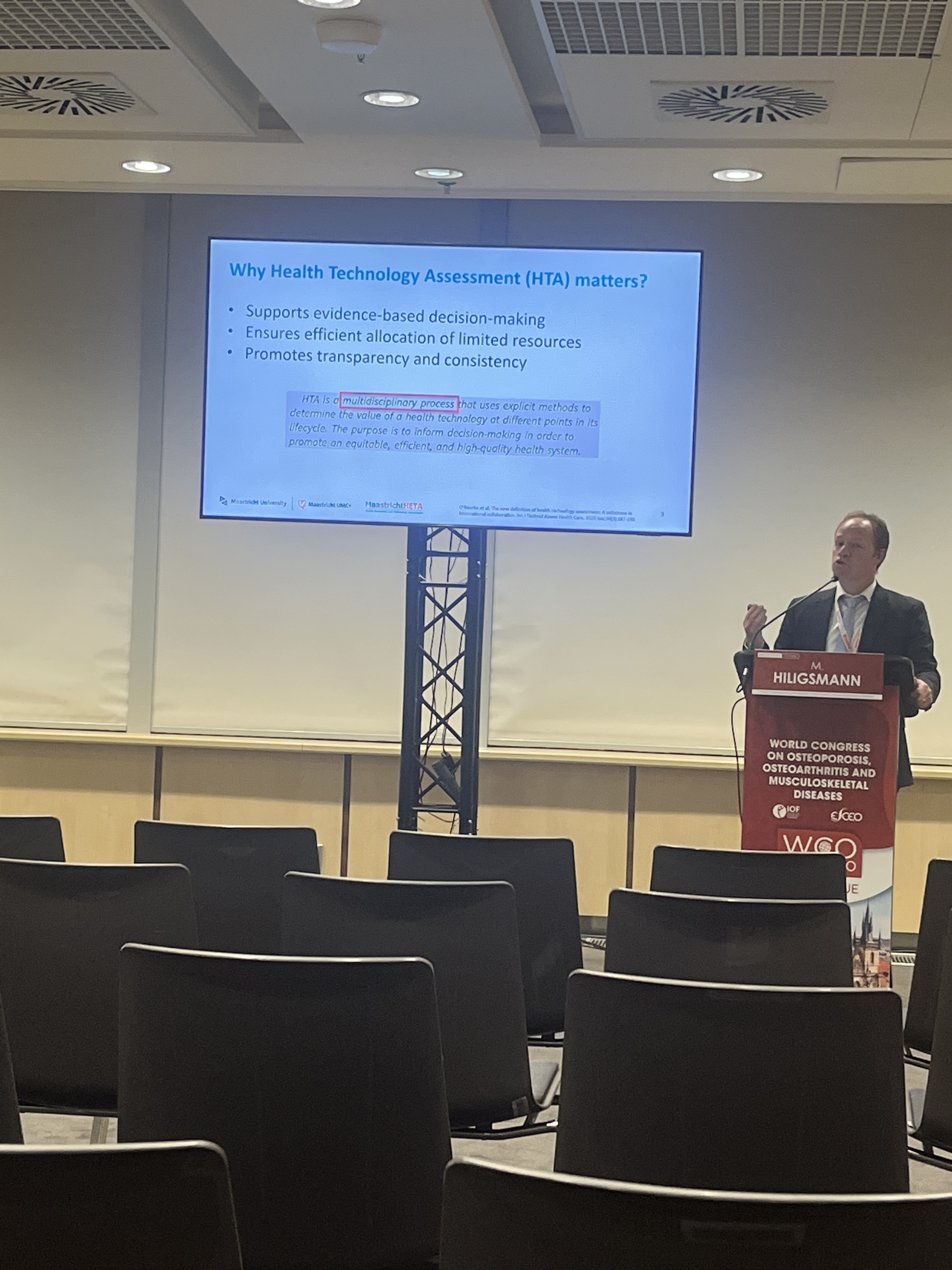
Movement, strength and function still matter, even in desk-based workforces.
From screening to personalised support
This is where VIDA helps turn clinical insight into earlier action.
Through MSK screening, assessment data and clinical reasoning, VIDA helps identify early signals that may be missed if support only starts when someone reports pain.
That insight builds a richer picture of each person’s needs, including movement, strength, pain history, workplace factors and functional risk.
It can then shape more personalised support through VIDA Personal Pathways - whether someone needs strength work, mobility support, movement confidence or earlier guidance before pain becomes disruptive.
.gif)
For employers, this creates a stronger foundation for prevention: detecting risk earlier, personalising support and helping employees stay active, confident and well at work.
The future of MSK prevention starts earlier
The future of MSK support is not just about asking who is in pain.
The clinical insights Vitrue brought back from recent conferences point to a broader question: who may be losing strength, confidence, movement capacity or resilience - and how can we help them act earlier?
For employers, this is a better way to think about prevention.
Because when people maintain function, they are better able to stay active, engaged and well at work.
MSK health is not just about pain.
It is about spotting the signals early enough to make support more personal, practical and preventative.
References
- Vitrue Health clinical conference notes from WCO-IOF-ESCEO and the British Pain Society 59th Annual Scientific Meeting.
- International Association for the Study of Pain. IASP Announces Revised Definition of Pain. 2020.
- NICE. Chronic pain: assessment and management. NICE guideline NG193. 2021.
Cuenca-Martínez F, Suso-Martí L, Calatayud J, et al. Pain neuroscience education in patients with chronic musculoskeletal pain: an umbrella review.Frontiers in Neuroscience. 2023.
___________
At Vitrue Health, we’re on a mission to eliminate workplace musculoskeletal (MSK) issues for millions of people.
Get in touch or book a demo today and join companies including Bupa, Estee Lauder, EBRD and Hastings Direct transforming their employee health and wellbeing with VIDA!