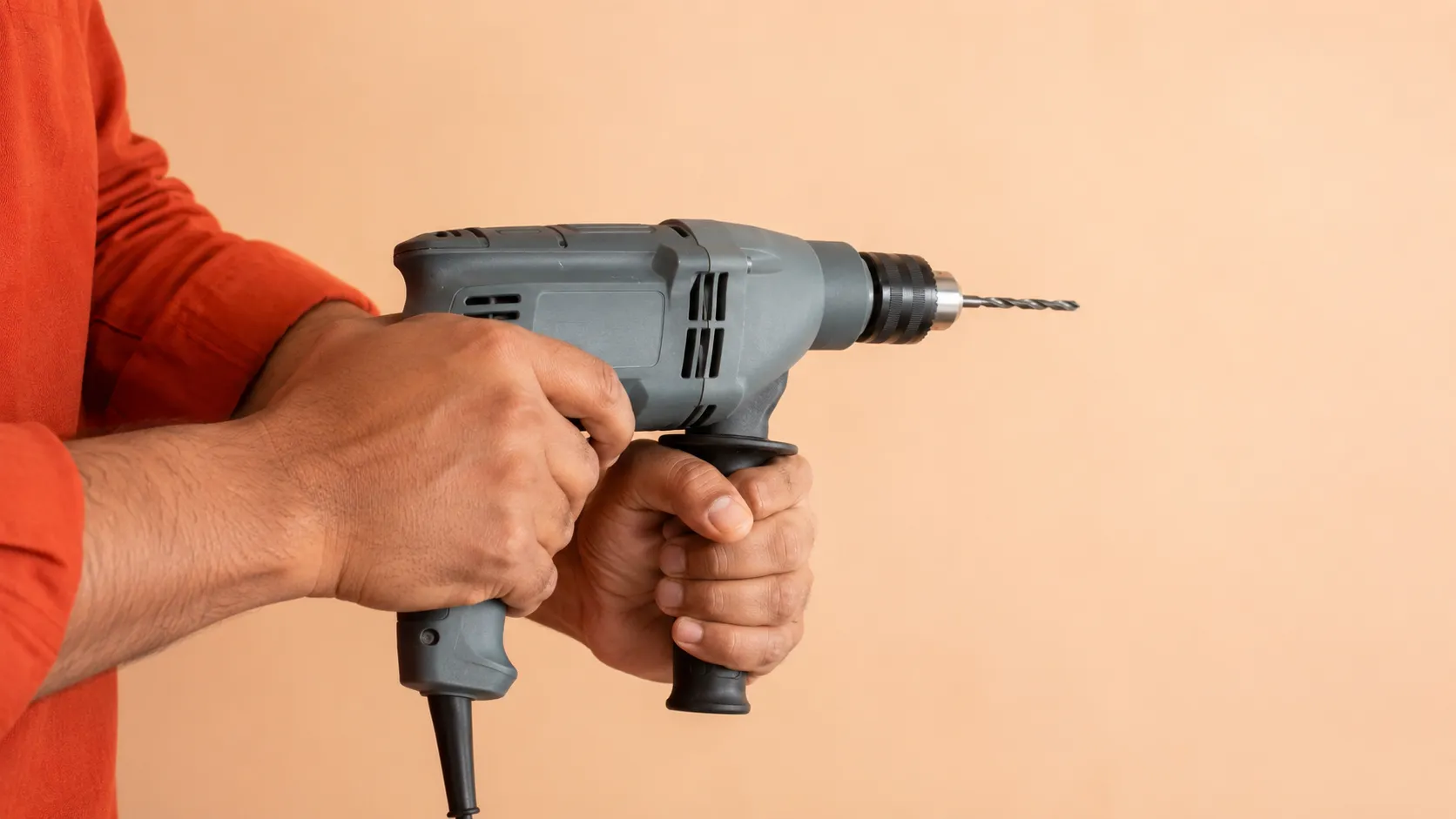
Working with vibrating tools and your hands

Dr Nicola Tik
Vibrating tools have a way of leaving your hands buzzing long after you have put them down, and over time that can leave the hands aching, tingling or less nimble. It is one of those workplace exposures that builds quietly, which is exactly why it is worth getting ahead of. A few habits can noticeably reduce how much vibration reaches your hands.
Hand-arm vibration simply means the shaking that travels from a powered tool into your hands and up your arms. Your body can handle a certain amount, but a lot of it, day after day, is what tends to cause trouble, from aching and tingling to hands that feel clumsy or go pale and cold. The important thing to know is that the total dose matters, both how strong the vibration is and how long you are exposed. That gives you two clear levers to work with.
Time is the lever you have most control over. Breaking up long spells on a vibrating tool, and spreading the work across the day rather than doing it all in one go, cuts the dose your hands take. Swapping to non-vibrating tasks in between gives your hands recovery time. Where a job can be done with a less powerful or better-dampened tool, that lowers the dose too. Little and often, with the tool down between bursts, is far kinder than one long continuous run.
The tighter you grip and push a vibrating tool, the more vibration passes into your hand. Letting the tool do the work, holding it with a relaxed grip and only as much push as the job needs, reduces how much reaches you. Sharp, well-maintained tools and cutting parts also vibrate less and need less force than blunt or worn ones. Guiding rather than gripping the tool takes real strain off your hands over a shift.
Warm hands cope with vibration better than cold ones, and cold, wet conditions tend to make symptoms worse. Keeping your hands warm and dry, with suitable gloves, helps both comfort and circulation. Anti-vibration gloves are sometimes suggested, but there is limited evidence they reduce the vibration that actually reaches your hands, and thicker gloves can lead you to grip harder, so it is best to treat them as a comfort aid rather than a fix. A warm-up before starting and keeping the hands moving between tasks keeps the blood flowing.
It helps to keep an eye on how your hands are doing over time, since vibration effects build gradually. Noticing early changes, like tingling, numbness or fingers going pale, means you can adjust your exposure sooner rather than later. Gentle hand movements, keeping warm, and giving your hands quieter days between heavy vibration all support recovery. What helps varies from person to person, so it is worth paying attention to what your hands respond to.
Your VIDA pain check-in is a good way to keep track of how your hands are doing over time, especially with something that builds gradually.