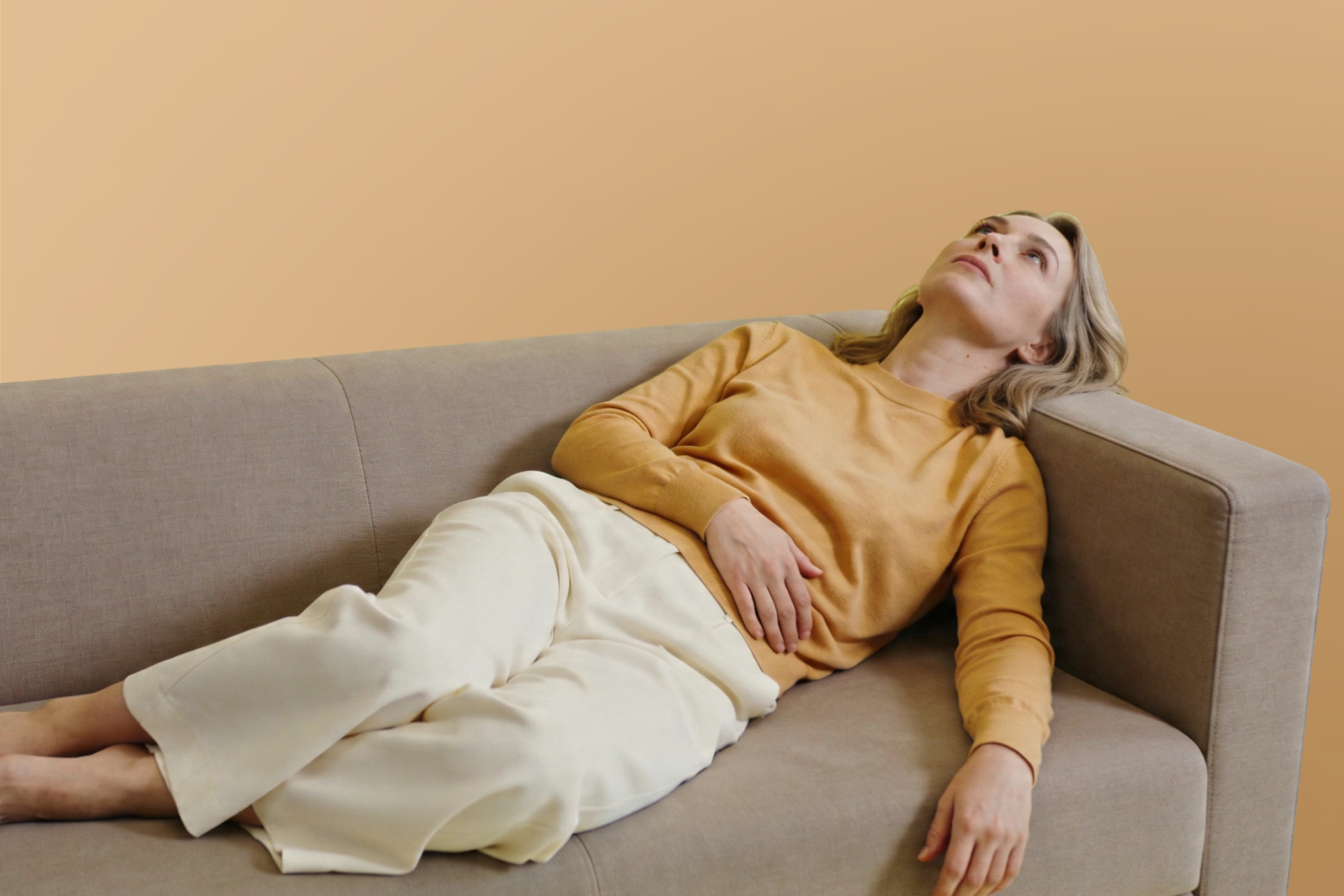
Why your body feels worse after a long day of sitting than a long day of moving

Nicola Tik
Most people expect to feel tired after a physically demanding day. What catches many desk workers off guard is feeling just as stiff, achy, and worn out after a day of doing very little physically. If anything, a long day of sitting often leaves the body feeling worse than a day of moderate activity. This is not imagined and it is not just tiredness. It reflects what prolonged sitting actually does to the muscles, joints, and soft tissues, and understanding it makes it easier to do something about it.
Sitting for long periods allows certain muscle groups to become almost entirely inactive. The gluteal muscles, which play a central role in supporting the pelvis and lower back during movement, do very little when seated. The deep stabilising muscles of the core, which are designed to work continuously to support the spine, tend to reduce their activity during prolonged sitting as the chair takes over their job.
When muscles that are designed to work regularly are consistently underused, they gradually become less responsive and less capable. Over time this contributes to the lower back and hip discomfort that many sedentary workers experience, because the muscles that should be supporting those areas are not doing so effectively.
While some muscles switch off during prolonged sitting, others do the opposite. The hip flexors, which run from the lower back and pelvis down to the thigh, are held in a shortened position for the entire time the body is seated. Sustained shortening causes them to tighten progressively through the day, which pulls on the pelvis and lower back and contributes directly to the lower back stiffness that builds through a long sitting session.
The muscles of the neck and upper back, responsible for holding the head upright and managing the postural load of desk work, are under continuous low-level demand throughout the day. Unlike the gluteals and core which are relatively inactive, these muscles are working consistently and accumulating fatigue without significant recovery time.
Joints depend on movement to stay healthy. The cartilage that cushions joints has no direct blood supply and receives its nutrients through the compression and release that movement produces. During prolonged sitting, the joints of the hips, knees, and lower back are held in a fixed position for extended periods, reducing the movement that keeps the cartilage nourished and the joint fluid circulating.
The result is the stiffness that most people notice when they stand up after a long stretch of sitting. The joints have been relatively static for an extended period and need a few steps to return to their normal range and comfort. For people who sit for most of the day, this stiffness accumulates across multiple long sitting bouts rather than fully resolving between them.
The lumbar spine is under higher compressive load during sitting than during standing or walking, particularly when the lower back curve is not well supported. The intervertebral discs, which act as shock absorbers between the vertebrae, are compressed more consistently during prolonged sitting and have less opportunity to rehydrate and recover than they do during movement.
The thoracic spine, the mid back, tends to round forward during prolonged sitting, reducing its natural movement and contributing to the feeling of stiffness and compression across the upper and mid back that many desk workers notice towards the end of a long day.
A day of moderate movement feels better than a day of prolonged sitting not because it is less tiring but because it distributes load across the body more evenly, keeps the joints nourished and mobile, and gives the muscles regular alternating periods of work and recovery rather than sustained static demand.
Even small amounts of movement introduced regularly through a sitting day produce a meaningful improvement in how the body feels. The muscles that switch off during sitting are reactivated. The hip flexors that shorten are briefly lengthened. The joints that stiffen receive the movement they need to stay comfortable. None of this requires significant effort or time. It requires frequency.
Standing and moving briefly every forty-five minutes to an hour, even just for a minute or two, interrupts the cycle of progressive stiffening and muscle fatigue that prolonged sitting produces. A short walk at lunchtime, a few gentle movements between tasks, and deliberate position changes through the day collectively make a significant difference to how the body feels by the end of it.
Your VIDA programme includes exercises designed to counteract the specific effects of prolonged sitting, reactivating the muscles that sitting suppresses and restoring the mobility that sustained static postures reduce. Using them regularly alongside movement breaks throughout the day gives the body the best conditions for feeling comfortable and functional through a long working day.