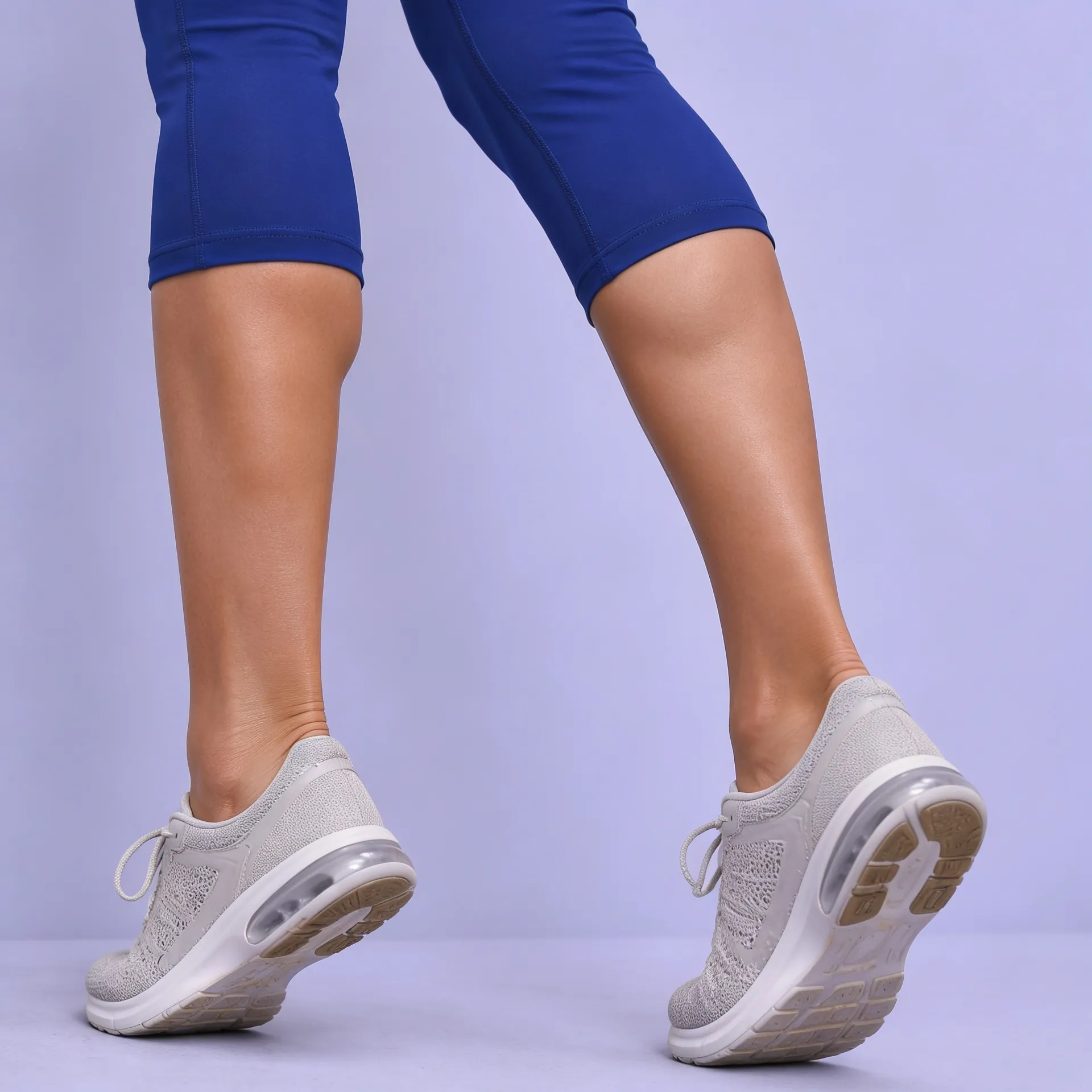
Why calf pain can persist and what helps it settle over time

Dr Nicola Tik
Calf pain that keeps returning or simply does not settle the way you expected can feel puzzling, particularly when the muscle seems like it should have had enough time to recover. Persistent pain in this area is more common than it might feel right now, and there are usually some identifiable reasons why it is sticking around. Understanding those reasons tends to make the path forward feel a lot clearer.
The calf is made up of two muscles sitting at the back of the lower leg. The gastrocnemius is the larger, more prominent muscle you can feel when you press into the back of the leg below the knee. Beneath it sits the soleus, a flatter and deeper muscle that works particularly hard during sustained activity like prolonged standing and walking. Together these muscles are responsible for pushing the foot down with each step, absorbing impact as the foot meets the ground, and maintaining balance and stability throughout the day.
Because the calf is involved in almost every step and almost every moment of standing, it rarely gets a full opportunity to rest, even on days when you feel you are taking it easy. This is part of why pain in this region can be slow to settle, and why the approach to recovery needs to account for the ongoing demands being placed on the muscle throughout daily life.
A common pattern with persistent calf pain is a cycle of partial recovery followed by a return of symptoms. Things ease with rest, normal activity resumes, and pain comes back, often at a similar level to before. This cycle tends to repeat because the underlying factors driving the sensitivity have not changed, only the immediate load has been reduced temporarily.
Rest reduces irritation in the short term, but it also reduces the muscle's tolerance and conditioning. When activity resumes, the muscle is asked to manage the same demands it struggled with before, but from a lower base of strength and resilience. This is one of the more consistent reasons calf pain persists or recurs rather than fully settling.
When pain has been present for weeks or months, the nervous system in that region can become more reactive. This means the calf may respond to levels of activity or load that previously felt comfortable with a stronger pain signal than the tissue itself would warrant. This is not a sign of ongoing damage. It is a recognised pattern that develops when the body has been protecting an area for a prolonged period.
The practical implication is that recovery from persistent calf pain is not just about reducing load. It is also about gradually reintroducing load in a way that gives the nervous system repeated evidence that the muscle is safe to use. This process takes time, but it is reliable when approached consistently.
Beyond the cycle of rest and return, there are often everyday habits that keep the calf in a state of ongoing irritation without it being obvious. A few worth considering:
Footwear choices play a significant role. Flat shoes and bare feet place the calf in a more lengthened position throughout the day, which increases the demand on the muscle and can maintain sensitivity in an area that is trying to settle. Shoes with a small heel raise reduce this stretch and are worth prioritising while things are persistent.
Surfaces matter too. Long periods of standing or walking on hard floors without adequate cushioning increases the impact load through the calf with every step. If your day involves significant time on hard surfaces, supportive footwear with reasonable cushioning makes a meaningful difference over time.
Inconsistent activity patterns, mostly sedentary through the week with a more demanding day here and there, ask the muscle to manage fluctuating demands without the steady conditioning that builds tolerance. Keeping activity more consistent, even at a modest level, tends to support recovery more effectively.
The most reliable approach to settling persistent calf pain combines two things: gradually reducing the factors that are keeping the area sensitised, and gradually reintroducing load in a way the muscle can manage and adapt to.
Gentle, consistent movement through the day, rather than long periods of rest punctuated by activity, keeps the muscle gently conditioned and prevents the stiffening that makes returning to activity harder. Short, regular walks on flat, even surfaces with supportive footwear are a good foundation. Seated ankle pumps and gentle calf stretches done once or twice a day keep the muscle mobile without significant load.
Building the muscle's strength and tolerance gradually, through exercises like seated or standing heel raises done within a comfortable range, helps the calf become better equipped to manage daily demands over time. Starting with a modest number of repetitions and building slowly over several weeks tends to produce more lasting progress than trying to do too much too soon.
Your VIDA pain check-in is a good way to track how things are shifting over time, particularly as you begin making changes to your activity habits and footwear.