When your shoulder feels unstable

Dr Nicola Tik
Your shoulder might feel loose, as though it could slip, or it may have come out of joint before. You might find yourself avoiding certain movements, like reaching overhead or throwing, in case it happens again. Living with an unstable shoulder can be unsettling, but building strength and confidence can make a real difference.
Your shoulder is a ball and socket joint, but the socket is quite shallow, a bit like a golf ball sitting on a tee. This gives it a huge range of movement, but it relies on the muscles and soft tissues around it to keep the ball centred.
Shoulder instability means the ball does not stay as well centred as it should. Some people develop it after an injury, like a fall or a sporting knock that pushes the shoulder out of joint. Others have naturally flexible joints and find their shoulder feels loose without any injury at all.
You might feel your shoulder slip, catch or clunk, or simply feel that it is not quite secure. Some people feel pain, while others mainly feel a lack of confidence in the shoulder.
The muscles around your shoulder, especially the rotator cuff and the muscles around your shoulder blade, act like a dynamic support system. When they are strong and well-coordinated, they help keep the ball centred in the socket, even during demanding movements.
For many people, especially those whose shoulder feels loose without a major injury, a strengthening programme is the main treatment. Building strength and control can help the shoulder feel more secure and reduce how often it slips.
If you have been given exercises by a physiotherapist or your surgical team, keep following those. The ideas below can sit alongside that advice.
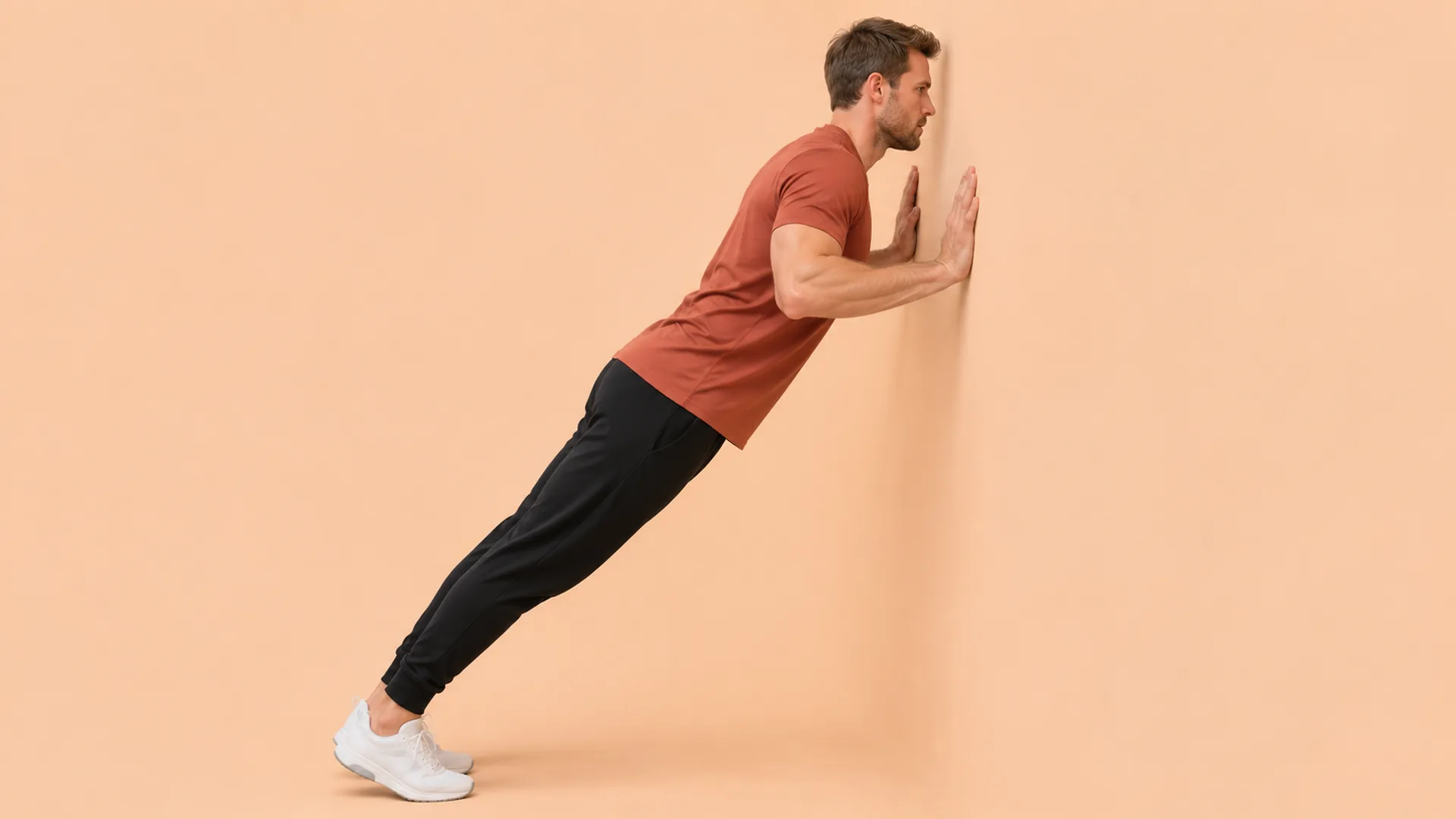
Strength work often starts with smaller, controlled movements, then builds up. Something to try a few times a week:
If you would like to follow along, VIDA has short videos of shoulder squeezes you can use at your own pace. Move slowly and with control, rather than quickly.
As your shoulder feels stronger and more secure, you can gradually work in more demanding positions. Some ways to progress:
Positions where your arm is up and out to the side, turned backwards, like the start of a throw, can feel least secure. It is often best to build up to these last.
A mild ache that settles by the next day is usually fine. If your shoulder feels less secure, ease back to an easier level for a while.
Many people with shoulder instability start to avoid movements out of worry. That is understandable, but over time, avoiding movement can leave the shoulder weaker and less confident. Gradually returning to movements you have been avoiding, in a controlled way, helps rebuild trust in your shoulder.
Some changes can help while you build strength:
Many people with shoulder instability return to sport and activity once their strength and control improve. Building up gradually, and keeping strength work going alongside, helps.
If your shoulder comes out of joint, or you feel it slip and it does not go back, it is worth getting it checked promptly.
Your VIDA pain check-in can help you notice how your shoulder feels as you build strength.