When long-term hamstring pain and poor sleep go together

Dr Nicola Tik
When hamstring pain has been around for a while, it can start to shape your days and nights. Sitting at your desk becomes uncomfortable, certain positions in bed bring it on, and broken sleep leaves you feeling it more the next day. This guide explains how sleep links to recovery and sensitivity, and shares an evening routine that can help both.
Long-term pain at the back of the thigh often comes from where the hamstring attaches near your sitting bone, or from the muscle itself not quite recovering after an earlier strain. Many people notice it most when sitting for a long time, especially on hard chairs, or when bending forward.
Over time, your nervous system can also become more sensitive, a bit like an alarm that goes off more easily. That means the area can feel sore even when it is not being strained. It also means your sleep can make a real difference to how sensitive it feels.
Sleep affects your hamstring in two ways. First, it is an important time for muscle repair. In one study, a single night without sleep reduced the rate at which muscles build new protein by around 18%.
Second, poor sleep turns up your body’s sensitivity to pain. When you are tired, your brain is less able to dampen pain signals, so the same area can feel more uncomfortable after a restless night. Better sleep helps your hamstring recover and turns the volume back down.
Strengthening the hamstring gradually, especially in a lengthened position, has good research behind it. In a trial of footballers with hamstring injuries, a programme focused on lengthening-type exercises got players back to full training in around four weeks on average. Those following a more traditional programme took about seven weeks.
Some gentle ways to start building strength:
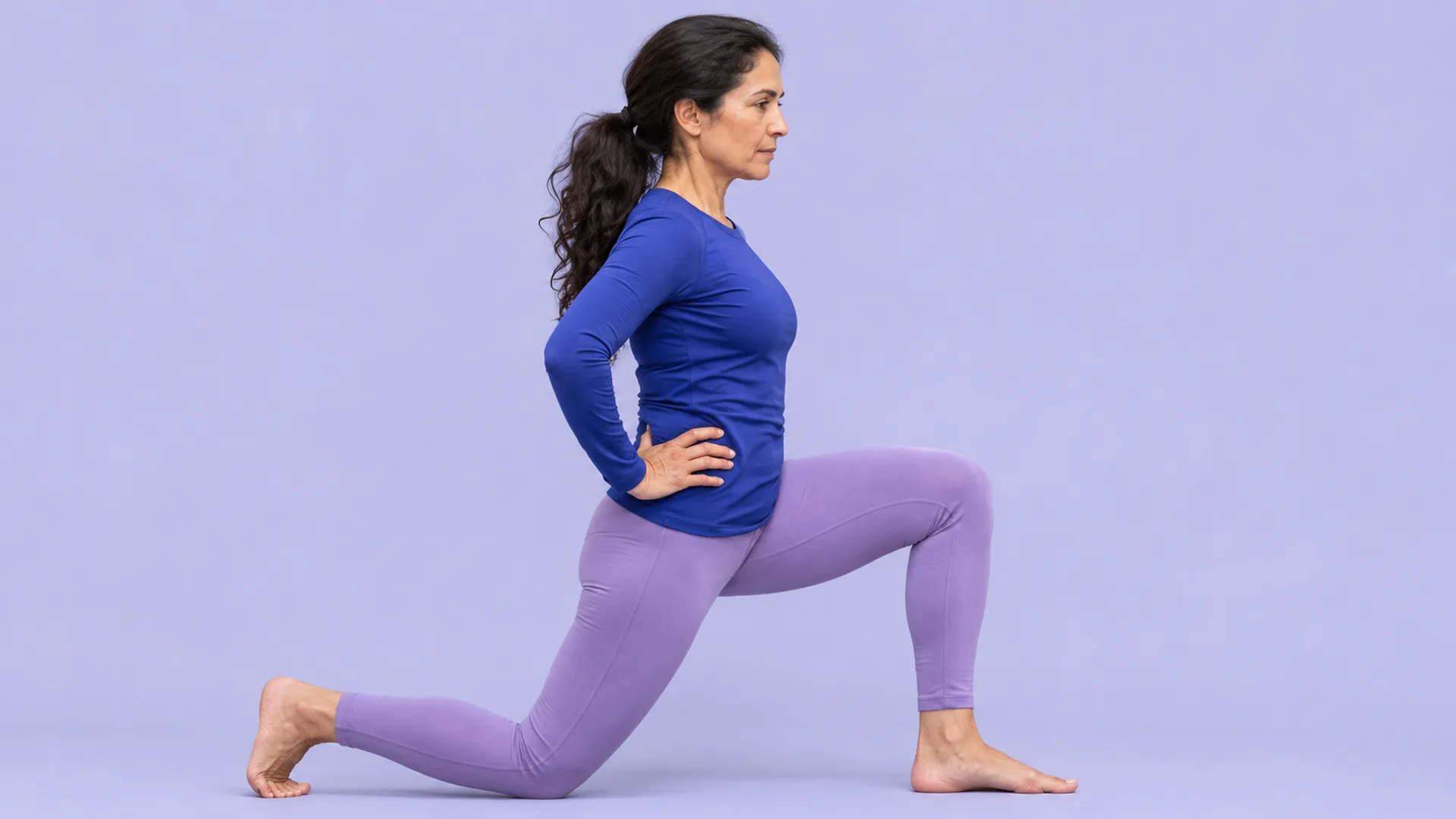
If you would like to follow along, VIDA has short videos of bridges and lunges you can work through at your own pace. Building up gradually over weeks tends to work best.
What you do in the evening can help your hamstring settle and your sleep improve. Some habits to try:
Keeping your knee slightly bent overnight lets your hamstring relax. You could try a pillow under your knees when lying on your back, or bending your knees with a pillow between them when lying on your side.
If you have been lying awake for what feels like a while, getting up and doing something calm in low light can help. Head back to bed once you feel sleepy. Getting up at the same time each morning helps keep your body clock steady.
Long-term hamstring pain often settles gradually, over weeks and months rather than days. Steady strengthening, better sleep and an evening routine tend to work together, so many people find their hamstring feels easier as their nights improve.