What to do when your elbow pain has just started

Dr Nicola Tik
Elbow pain that has come on recently can feel surprising, especially if you have not done anything that obviously caused it. The good news is that most elbow pain that starts this way settles well with a few simple steps. This article will help you understand what might be happening and what you can do in the first few days to help things along.
The elbow is a busy joint. It absorbs load every time you grip, lift, or bend your arm, and the tendons and muscles around it can become irritated when that load builds up faster than they can adapt. This does not mean anything is damaged. It usually means your elbow needs a short period of adjusted activity to settle.
The most helpful thing you can do early on is keep the area moving gently without pushing into sharp discomfort. Complete rest tends to make things stiffer, and staying still for long periods can slow recovery down. You do not need to stop everything, just work within a comfortable range.
Try to reduce any activities that make the pain noticeably worse, particularly repetitive gripping or lifting with a straight arm. You do not need to avoid these completely, just dial them back for a short while. Even small adjustments, like taking more breaks or switching hands for lighter tasks, can make a real difference.
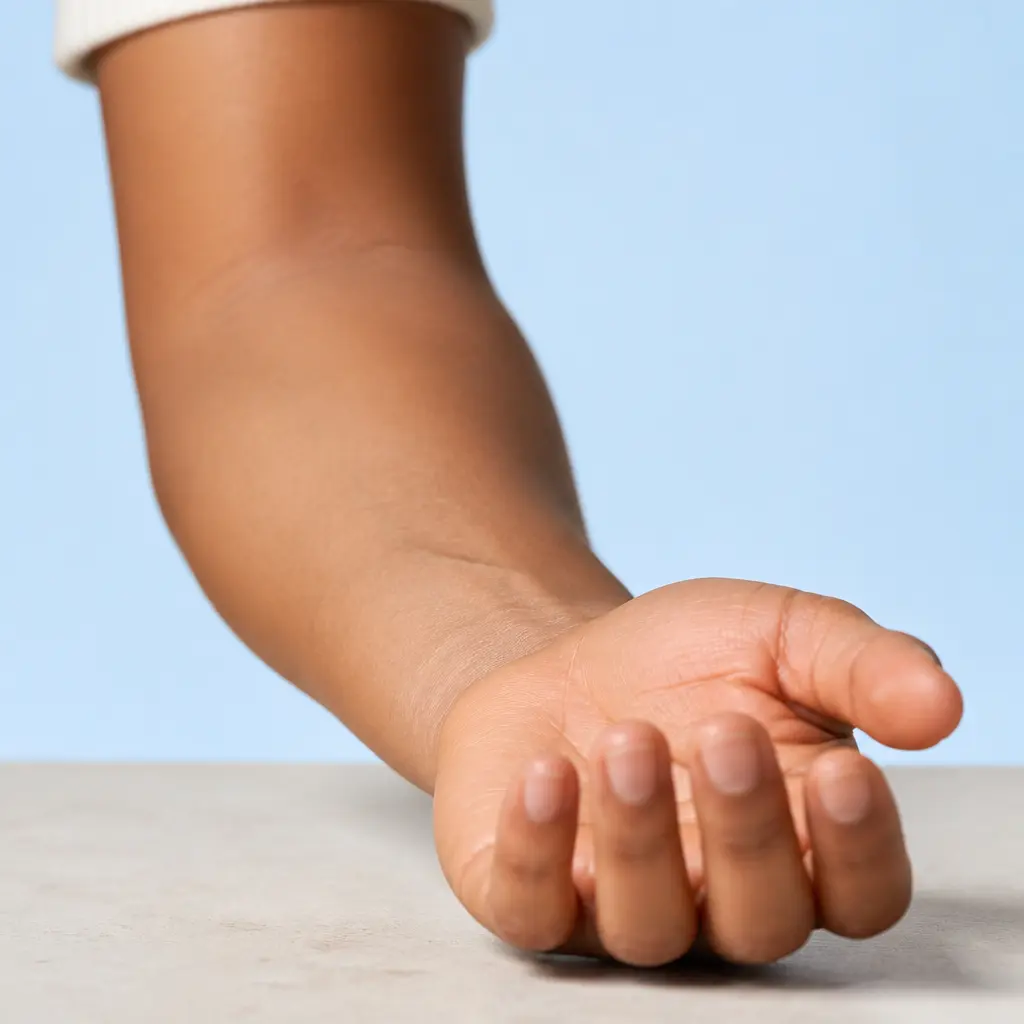
Wrist and forearm movements can help keep things mobile without loading the elbow too directly. Sit comfortably with your arm resting on a surface, palm facing up. Slowly curl your fingers into a loose fist and then open them out wide. Repeat this a few times, keeping the movement easy and unhurried. If it feels fine, you can then gently rotate your forearm so your palm faces down, then back up again. A minute or two of this, a couple of times through the day, is a helpful starting point.
If you would like a guided version of this, VIDA has a short elbow stretch video you can follow at your own pace.
Ice or a cold pack wrapped in a cloth and held over the area for ten to fifteen minutes can ease discomfort in the early days, particularly after activity. Some people find that a heat pack feels better, especially if the area feels stiff rather than sore. Either is fine. Go with what feels most helpful for you.
Over-the-counter pain relief, such as ibuprofen or paracetamol, can help manage discomfort while things settle. It is worth checking the guidance on the packaging and checking with a pharmacist if you are unsure whether either is suitable for you.
Most elbow pain that has just started will begin to ease within a few days of adjusted activity. If you notice tingling or numbness spreading into your hand or fingers, it is worth speaking to your GP before continuing with exercise.