The hidden physical side of being a new dad

Dr Nicola Tik
Becoming a father brings its own set of physical demands, and they are not always talked about. This article is for new dads looking to understand what their body is going through and how to keep up with the physical side of early parenthood without running themselves into the ground.
The early weeks of fatherhood involve more lifting, carrying, bending, and broken sleep than most people anticipate. Picking up and settling a baby dozens of times a day, carrying car seats and prams, and spending long stretches in awkward positions during feeds or bedtime routines all place real demand on the body.
Unlike a physically demanding job, there are no scheduled breaks and the load does not ease off at the end of the day. That cumulative demand, combined with disrupted sleep, means the body gets less opportunity to recover than usual.
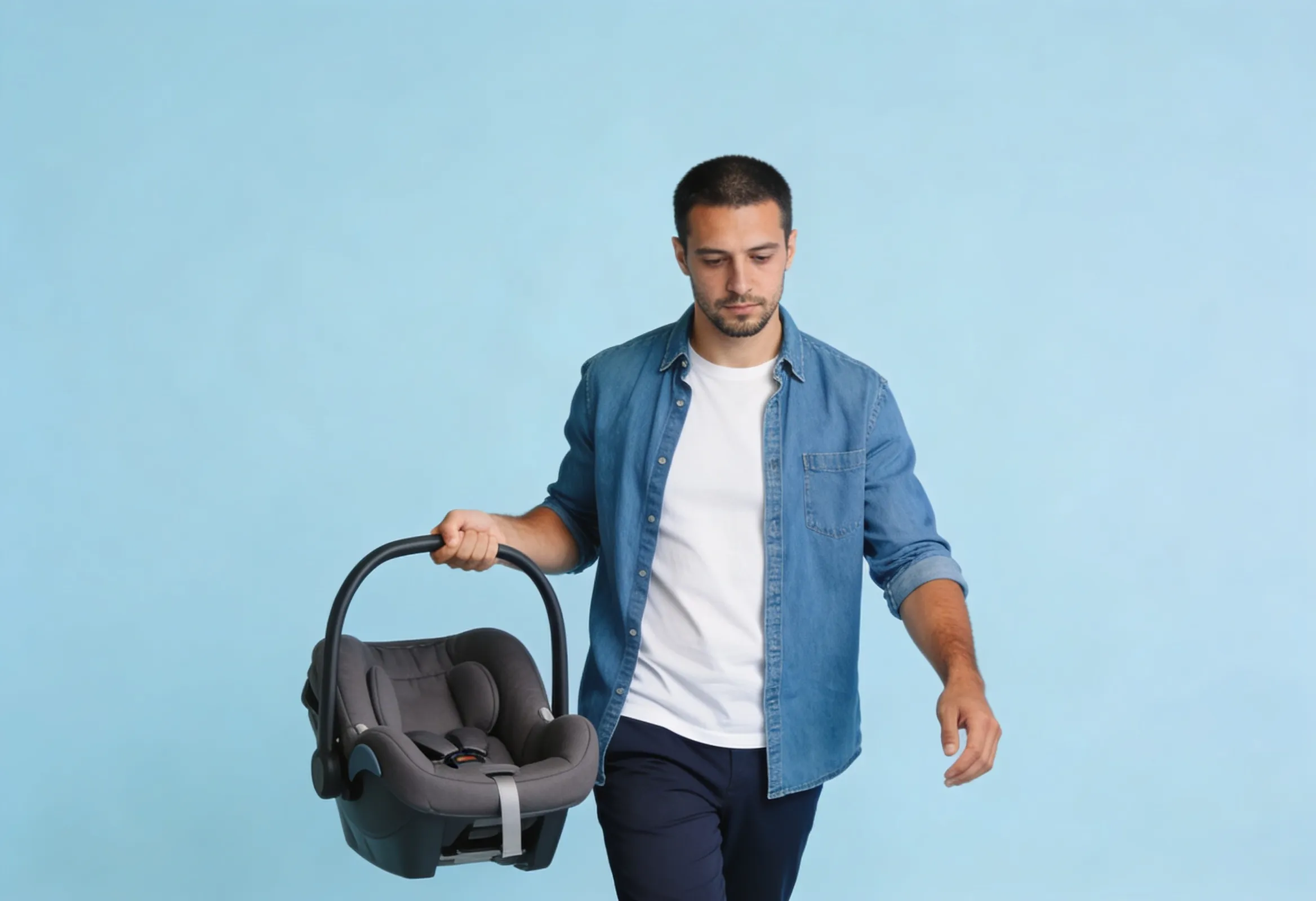
Car seats are one of the most common sources of strain for new fathers. They are awkward to carry and most people tend to carry them on one side, which creates an uneven load through the lower back and hip. Switching sides regularly, or using a pram where possible, helps distribute that load more evenly.
When lifting your baby from a low surface, keeping them close to your body and bending your knees rather than hinging from the waist reduces the effort going through your lower back. It takes a little conscious practice at first but quickly becomes habit.
If you are doing night feeds or spending long periods settling your baby, the position you do it in matters. Sitting supported with your back against the chair rather than perching on the edge, and keeping your baby at a comfortable height rather than hunching over them, makes a noticeable difference over time.
Broken sleep reduces your body's ability to manage physical load and recover between demands. There is no simple fix for this in the early months, but protecting even one slightly longer sleep each night where possible makes a difference to how your body holds up through the day.
Gentle regular movement, even short walks, supports both physical recovery and mental wellbeing during a period that can feel relentless. It does not need to be structured exercise. Staying active in whatever way fits your current life is enough.