Pain Coach
The hidden link between POTS and musculoskeletal health

Dr Nicola Tik
Most workplace conversations about musculoskeletal health focus on posture, ergonomics and movement habits. But for people living with Postural Orthostatic Tachycardia Syndrome (POTS), day-to-day comfort at work is shaped just as much by the autonomic nervous system as by desk setup.
POTS affects how the body regulates heart rate and blood flow when moving from sitting to standing. This can lead to dizziness, fatigue, “brain fog,” and rapid heart rate. All of which quietly influence posture, movement patterns and musculoskeletal strain at work.
Understanding this connection is key to supporting comfort, energy and long-term wellbeing.
The symptoms of POTS often lead to subtle compensations in posture and movement. Over time, these adjustments can increase the load on the neck, back and shoulders.
Common patterns include:
• Bracing and tension through the upper body
When dizziness or instability is expected, the body tends to stiffen, creating excess tension in the neck and shoulders.
• Slumped or folded postures when fatigue hits
Low energy, reduced blood flow and cognitive fatigue naturally pull the body into more flexed positions, increasing pressure on the mid- and lower back.
• Reduced movement variability
Because standing and transitions can trigger symptoms, many people reduce how often they shift position. Staying in one posture for too long is a known driver of MSK tightness and discomfort.
• Breath-holding or shallow breathing
Common during symptom spikes, this increases upper-body tension and can worsen neck and upper-back discomfort.
These small adaptations can gradually lead to stiffness, pain flare-ups and reduced movement confidence.
Small, predictable adjustments can help manage both POTS symptoms and musculoskeletal load.
1. Optimise the workstation for stable, supported posture
Choose a chair with good lumbar support and keep frequently used items close to reduce unnecessary reaching.
If sit–stand desks are used, shorter standing periods with gradual increases tend to feel more manageable.
2. Pace transitions and plan position changes
Standing up slowly, pausing, and allowing symptoms to settle reduces the urge to tense the body.
Using predictable movement intervals (e.g., shift posture every 20–30 minutes) helps prevent stiffness without triggering symptom spikes.
3. Support circulation and comfort
Hydration, compression garments (if recommended clinically) and keeping the feet supported when sitting can help improve blood flow and reduce fatigue-related postural collapse.
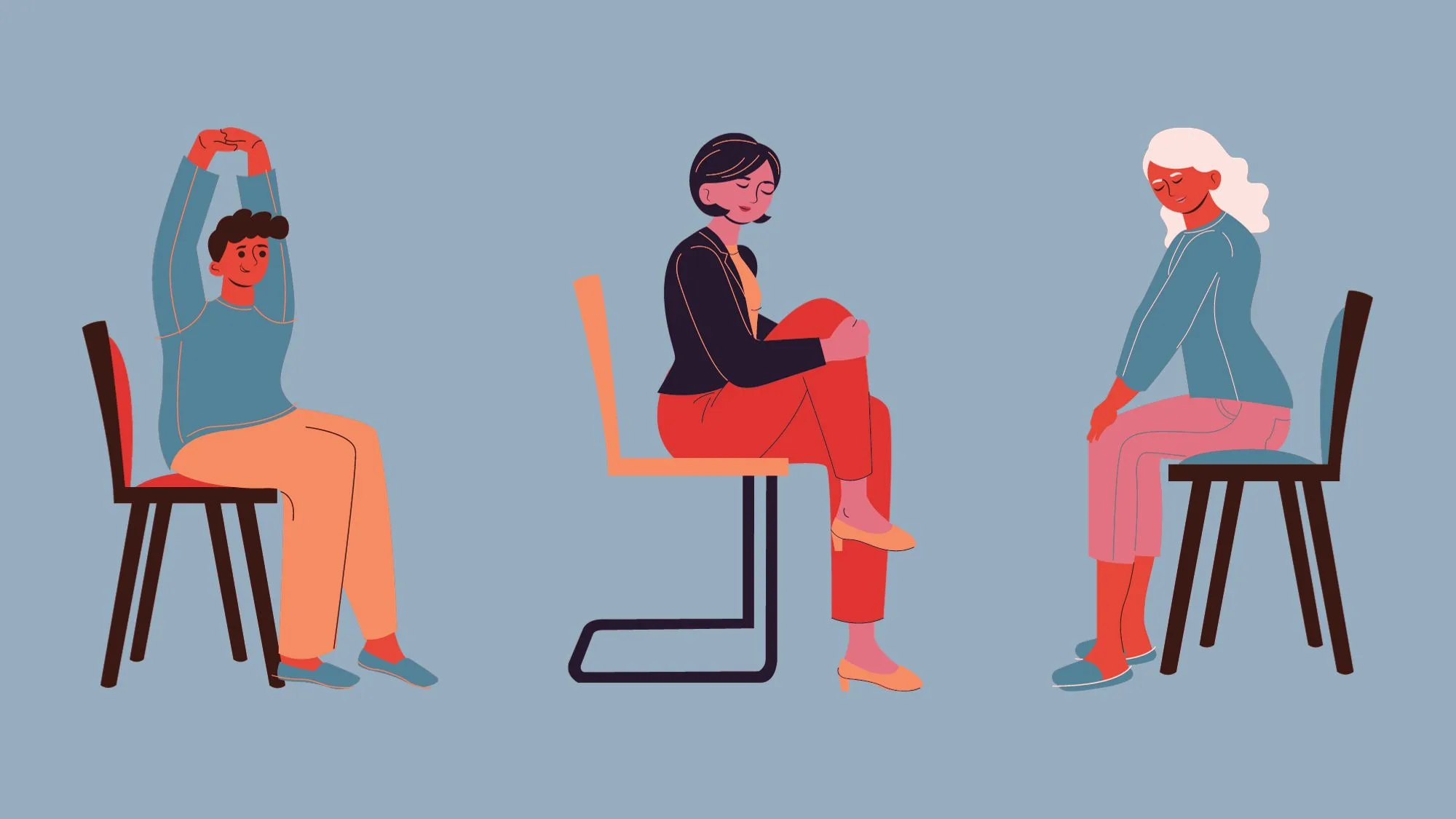
4. Incorporate gentle, low-load movement
A few simple options that don’t provoke symptoms but ease tension:
These take seconds, not minutes, and can be done discreetly at any desk.
Living with POTS shapes how a person sits, moves and manages their energy at work. These adaptations can quietly increase musculoskeletal strain, but small changes in setup, pacing and gentle movement can make a meaningful difference.
Supporting employees with POTS isn’t just a clinical consideration; it’s a simple, practical step towards better comfort, reduced fatigue and a healthier working day.