Pain Coach
The hidden link between gluteal tendinopathy and workplace comfort

Dr Nicola Tik
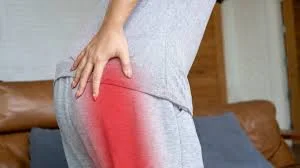
Gluteal tendinopathy refers to irritation or overload of the gluteal tendons where they attach to the outer side of the hip. It often causes pain over the outside of the hip or buttock, which may worsen with sitting, standing, walking or lying on one side.
At work, symptoms are strongly influenced by how long we sit, how we distribute weight through the hips, and whether positions place sustained compression on the outer hip. Understanding these patterns helps reduce irritation and improve day-to-day comfort.
Gluteal tendons are particularly sensitive to compression and sustained asymmetrical loading.
Common workplace contributors include:
• Sitting with legs crossed
Crossing the legs increases compression over the outer hip tendons.
• Leaning into one hip when sitting or standing
Habitual weight-shifting overloads one side and increases tendon irritation.
• Prolonged sitting on firm or narrow chairs
Sustained pressure through the outer hip can worsen pain and stiffness.
• Long periods without movement
Stillness reduces circulation and increases discomfort when changing position.
These patterns can cause pain to build gradually throughout the working day.
Gluteal tendinopathy often responds well to reducing compression, improving symmetry, and using regular, gentle movement.
1. Sit symmetrically
Keep weight evenly distributed through both hips.
Avoid crossing the legs or sitting perched on one side of the chair.
2. Optimise seating comfort
If the chair feels firm or narrow, consider additional cushioning to reduce pressure on the outer hips.
Aim for hips to be level with or slightly higher than the knees.
3. Break up prolonged sitting
Stand, walk or gently change position every 20–30 minutes.
Short, frequent movement breaks reduce tendon compression more effectively than long breaks.
4. Use gentle, comfortable movement
Light movement helps reduce stiffness without aggravating the tendons, such as:
Movements should feel smooth and stay within comfort.
5. Avoid sustained single-leg loading
When standing, avoid leaning into one hip.
Gently alternate weight or use a small footrest to change load regularly.
Gluteal tendinopathy is often driven by how load and compression are applied over time rather than by one single movement. By sitting more symmetrically, reducing prolonged pressure and using regular gentle movement, many people can significantly improve comfort during the working day. Small, consistent adjustments make a meaningful difference.