Recovering from a calf strain

Dr Nicola Tik
A sudden sharp pain or pulling feeling in your calf, often while running, jumping or pushing off quickly. Some people describe it as feeling like being kicked in the back of the leg. A calf strain can make walking uncomfortable, but most heal well, and starting gentle movement early can help.
Your calf is made up of two main muscles that join into your Achilles tendon at the back of your heel. One crosses your knee and works hard in fast, powerful movements. The other sits deeper and works with every step you take.
A strain means some of the muscle fibres have been overstretched or torn. Strains range from mild, where you feel tightness and discomfort, to more significant, where walking is painful and there may be bruising.
Calf strains are common in runners, racket sports and sports with sudden bursts of speed, especially from your 30s onwards.
In the first few days, the area may be painful, tight and sometimes bruised. The aim is to protect it while keeping it gently active. Some things to try:
If you have been given advice by a physiotherapist, keep following that.
Research suggests starting gentle exercise early helps muscle strains recover more quickly than resting for a long time. In one trial of people with recent thigh or calf muscle strains, those who started gentle exercise two days after their injury, rather than nine, got back to their usual activity around three weeks sooner.
Muscles heal best when they are gently loaded, as this helps the new fibres line up and get stronger.
Walking is a good way to keep your calf gently active. Some ideas:
As the initial pain settles, gentle exercises help your calf start to rebuild. Something to try a few times a day:
Keep these comfortable. If you would like a guided stretch, VIDA has short videos you can follow at your own pace.
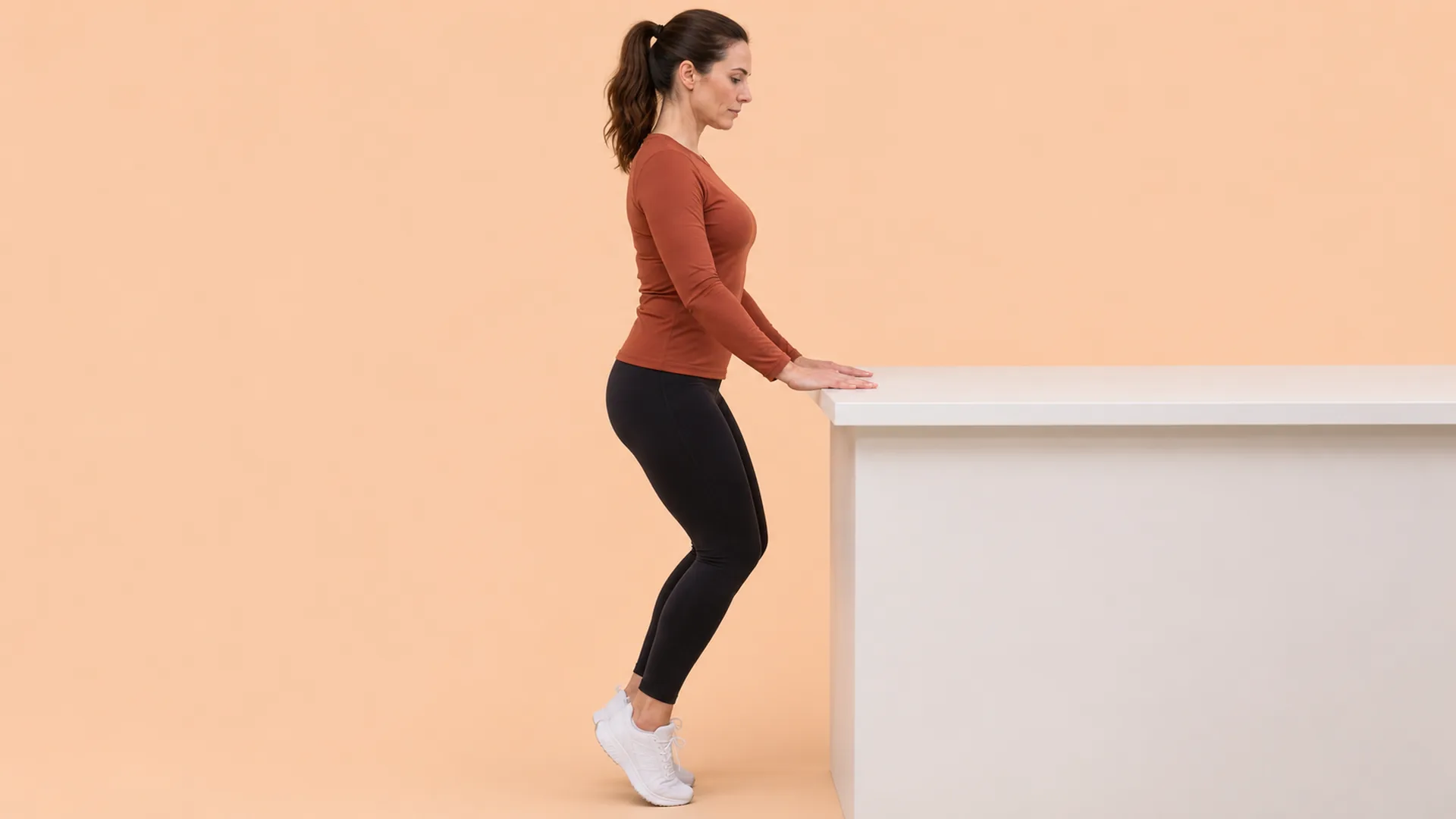
As your calf feels stronger, standing exercises help it get ready for everyday life and activity. Something to try three or four times a week:
If you would like to follow along, VIDA has short videos of heel raises you can use at your own pace. Start with a comfortable number and build up over weeks.
A step by step return helps reduce the chance of another strain. Something like this tends to work well:
Calf strains can come back if you return too quickly, so keeping calf strength work going, even after you feel recovered, helps.
If your calf becomes more swollen, warm and red over time, rather than settling, it is worth speaking to a doctor straight away.
Your VIDA pain check-in can help you notice how your calf improves as you build back up.