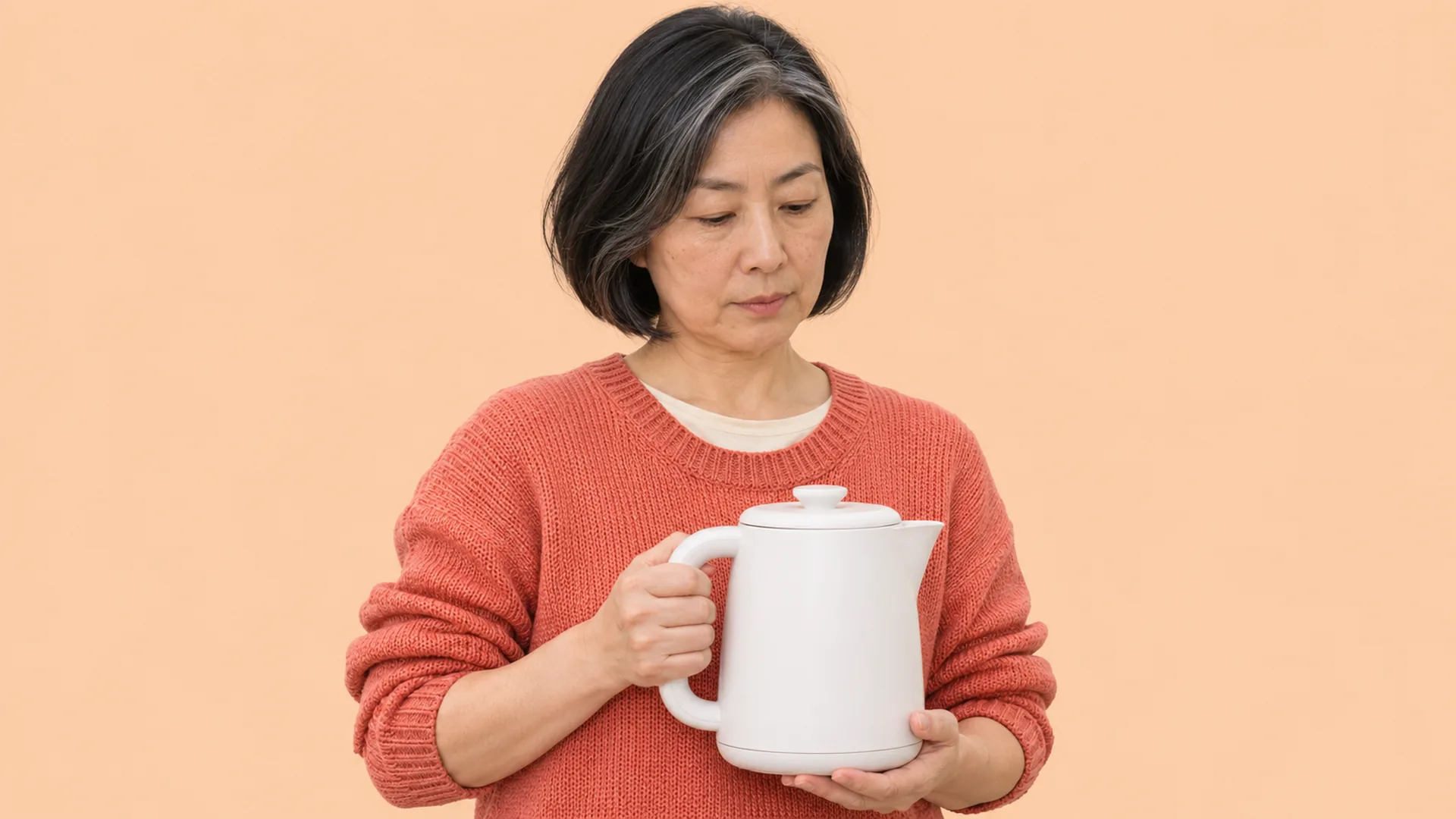
Recent elbow pain around menopause

Dr Nicola Tik
It might start with lifting the kettle, opening a stiff jar or a long afternoon on the mouse. Suddenly the outside of your elbow aches, and you cannot think of anything you did differently. If you are somewhere around menopause, changes in your tendons may be part of the picture, and knowing that can help you look after your elbow while it settles.
Tendons are the tough cords that attach muscle to bone. At the elbow, they connect your forearm muscles, the ones you use to grip, type and lift, to the bony points either side of the joint.
Oestrogen helps tendons stay healthy by supporting the collagen they are made from. As oestrogen falls around menopause, tendons can become a little less able to cope with sudden or repeated load. Research reviews describe a clear shift. Before menopause, women are less likely than men to develop tendon problems, but after menopause the rates become similar. Pain on the outside of the elbow is most common between the ages of 45 and 54.
None of this means your elbow is damaged. It means your tendons may need a little more time and care to adapt to what you ask of them.
Tendons usually become sore when the load on them goes up faster than they can adapt. Around menopause, that tipping point can arrive sooner than it used to. A busy week of typing, a weekend of gardening or carrying shopping can be enough, even if you have done these things for years.
That is why the first step is easing the load a little, rather than stopping altogether.
Something to try over the next week or two:
The aim is to keep your elbow working at a level it is comfortable with, so it can settle while you stay active.
Complete rest can leave tendons less ready for everyday tasks. Gentle movement within a comfortable range usually helps more. Some options to try a few times a day:
A mild ache during these that settles quickly is fine. If something sharpens your pain, make the movement smaller.
Your desk set-up can make a difference to an elbow that is already sore. Keeping your mouse close, so you are not reaching forward, lets your forearm rest on the desk rather than hold your arm up. VIDA’s Pomodoro stretches, in the top right corner, can remind you to pause and move during focused work.
Once your elbow feels calmer, gradually building forearm strength helps the tendon cope with more. Something to try a few times a week:
Start with a few repetitions. A mild ache that settles by the next day is usually fine. If it is sorer the following morning, ease back a little next time.
Sleep, stress and general activity all affect how sensitive tendons feel. Broken sleep from night sweats can make discomfort feel louder the next day, so a calm wind-down and a cool bedroom can help your elbow as well as your nights. Staying active in other ways, like walking, keeps the rest of your body strong while your elbow settles. Your VIDA pain check-in is a good way to keep track of how it is shifting over time.