Pressing, pulling and overhead work with shoulder pain

Dr Nicola Tik
A sore shoulder does not usually mean stopping upper body training. Adjusting how you press, pull and work overhead lets you keep training while it settles.
Pressing, especially overhead, often asks the most of a sore shoulder. You could try:
Bench press often goes better with a slightly narrower grip and your elbows a little closer to your body.
Rows and pulls usually suit a sore shoulder better than pressing. They also build the muscles that steady it. If pull-ups bother your shoulder, lat pulldowns with a neutral grip, palms facing each other, are often easier.
Overhead pressing and throwing tend to come back last. Start with lighter weights and a range that feels comfortable, then build over a few weeks.
Some discomfort while you train is fine. A useful rule is that pain during a session stays mild, around 3 or 4 out of 10 at most. It should also settle by the next morning. Research suggests that exercising with some pain does not set shoulders back, as long as it settles.
If it is still higher the next day, lower the weight or range next time. Sharp or catching pain is a sign to swap that exercise for the day.
These build the muscles that steady your shoulder under load. Choose the level that fits how your shoulder feels today.
Once your shoulder has felt steady for a week or two, you could start nudging the load up. Change one lift at a time, then hold for a week. Research suggests strengthening is one of the most helpful things for ongoing shoulder pain. Keeping it in is worth the effort.
Your VIDA pain check-in is a good way to spot which lifts your shoulder is happy with.
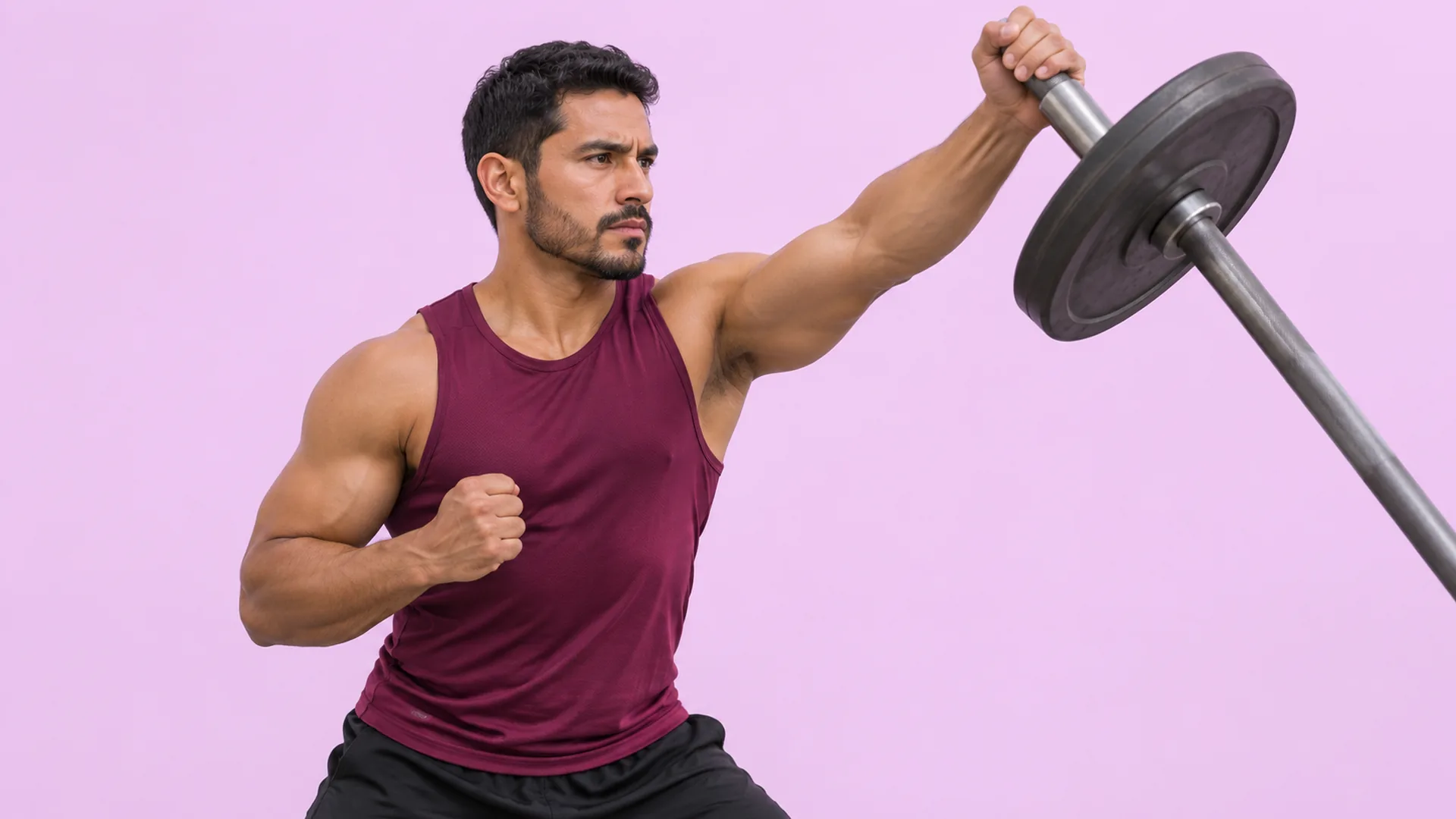
At your next session, swap your overhead press for a landmine or incline press and see how your shoulder feels.