Pain around the kneecap and what helps

Dr Nicola Tik
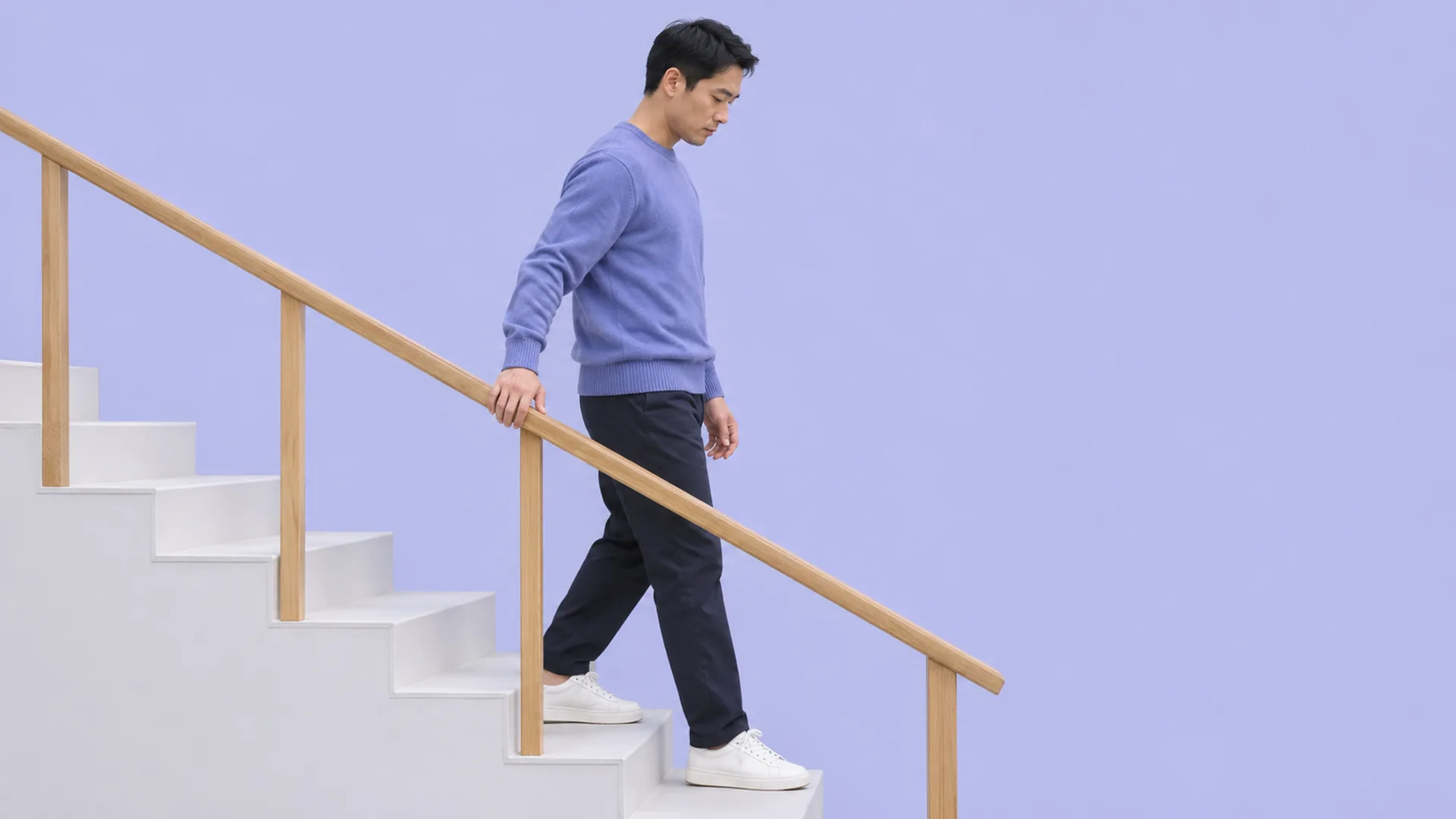
Going down the stairs, getting up after a long film or squatting to pick something up, and there it is, an ache around or behind your kneecap. Patellofemoral pain is one of the most common types of knee pain, especially in active people. It can be frustrating, but it usually responds well to the right changes and exercises.
Your kneecap sits in a groove at the front of your thigh bone. When you bend and straighten your knee, it glides up and down in this groove. Patellofemoral pain is pain around or behind the kneecap, usually when the knee is bent under load.
It often develops when the knee is asked to do more than it can comfortably handle, like a jump in running, more stairs or squats, a new sport or a return to activity after a break. It is common, and research suggests it affects around one in five people each year.
Patellofemoral pain is not a sign that your knee is wearing out or damaged. It usually means the tissues around the kneecap have become sensitive.
Patellofemoral pain often flares with:
Noticing which activities bring on your pain helps you know what to adjust. Pain can come and go, and it is common for it to feel worse after a busy week or a long day of sitting. That does not mean the knee has been damaged.
Some changes that can help while it settles:
Strength work is one of the most effective ways to ease patellofemoral pain. Research suggests that combining hip and knee strengthening works better than knee exercises alone. Something to try two or three times a week:
If you would like to follow along, VIDA has short videos of sit to stands and bridges you can use at your own pace. Start with a comfortable range and build up over weeks. Holds like wall sits often feel more comfortable when the knee is sore, so they are a good place to start.
If you have been given exercises by a physiotherapist, keep following those.
Most people do not need to stop being active. Adjusting what you do for a while tends to help more than stopping. Some ideas:
A mild ache that settles by the next morning is usually fine. If your knee is sorer the next day, ease back a little.
Supportive, cushioned shoes can help, especially for walking and running. Some people find shoe inserts helpful in the short term.
If your knee regularly locks or gives way, it is worth speaking to your GP or a physiotherapist.
Your VIDA pain check-in can help you notice how your knee responds as you build strength.