New calf pain around menopause

Dr Nicola Tik
It might be a tight, sore calf on your first steps in the morning, or an ache at the back of your heel by the end of a busy day. If this has started around menopause, changes in your tendons and muscles may be part of the picture. A few simple changes can help keep walking comfortable while it settles.
Your calf is made up of two main muscles that join together into the Achilles tendon, the thick cord at the back of your heel. Together, they lift your heel every time you take a step. New pain here often comes from the calf muscle, the Achilles tendon or both.
Calf and Achilles pain often appears after a change in what your legs have been doing. A new walking routine, more time on your feet, different shoes or a return to exercise can all add up.
Oestrogen helps tendons stay healthy by supporting the collagen they are made from. As levels fall around menopause, tendons can become a little less able to cope with sudden or repeated load. Research reviews describe a clear shift. Before menopause, women are less likely than men to develop tendon problems, but after menopause the rates become similar.
Muscle also declines more quickly in midlife, so your calves may have less strength in reserve. None of this means your calf is damaged. It means it may need a little more time to adapt to what you ask of it.
The first step is easing the load a little, rather than stopping altogether. Some things to try:
Calf and Achilles pain often feels the worst when you wake up. Before you get up, you can gently point and flex your feet and circle your ankles a few times. Taking your first few steps slowly, in supportive shoes, can help your calf warm up.
Keeping your calf gently active usually helps more than complete rest. Walking at a comfortable pace on flat ground is a good place to start.
A gentle calf stretch can feel good too. Face a wall with your hands on it, step one foot back and keep the back heel down. Bend your front knee slightly until you feel a gentle stretch in the back calf, and hold for 30 seconds. If the pain is right at the back of your heel, keep the stretch mild, and avoid dropping your heel over the edge of a step for now. If you would like a guided stretch, VIDA has short videos you can follow at your own pace.
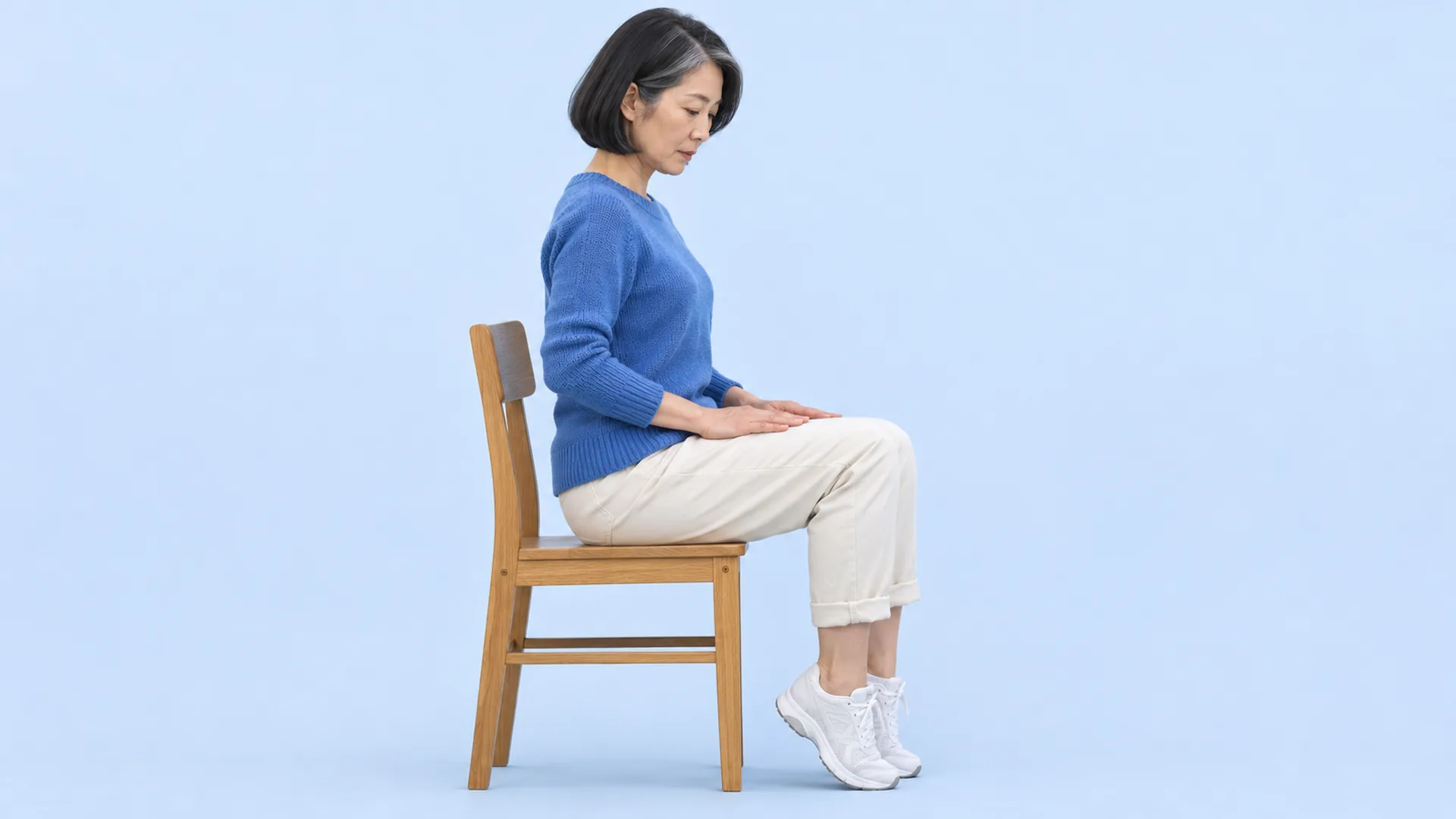
As your calf starts to feel calmer, gentle strengthening helps it cope with more. Something to try most days:
Start with a few comfortable repetitions. If you would like to follow along, VIDA has short videos of heel raises you can use at your own pace.
A mild ache that settles by the next day is usually fine. If your calf or heel is sorer the following morning, ease back a little next time.
Once walking feels comfortable, you could build back gradually. Increasing one thing at a time, like the length of your walk or adding a gentle hill, every week or so, gives your calf time to adapt.
Broken sleep around menopause can make pain feel louder, so a cool bedroom and a regular wake-up time can help too. Your VIDA pain check-in is a good way to keep track of how things are shifting over time.