Moving more comfortably as your weight changes

Dr Nicola Tik
As your weight starts to shift, your body may feel different in ways you did not expect. Stairs might feel easier, while a longer walk leaves your knees or feet feeling it in new ways. Whether you are on a GLP-1 medication or thinking about one, a few simple principles can help your joints keep up with the changes.
Every step you take puts more than your body weight through your knees and ankles. That means even small changes in weight can make a noticeable difference. In one study of adults with knee joint changes, every kilogram of weight lost took around four kilograms of load off the knee with each step.
Across the thousands of steps you take each day, that adds up. Many people find walking, stairs and getting up from a chair start to feel easier as their weight comes down.
Changes in your body shape can also change how you move. Your balance, the way your feet land and how your hips and knees line up can all shift slightly. If you are also moving more than you used to, your muscles, tendons and joints need time to adapt to the extra work.
Some new aches as your activity increases are a normal part of this process. Your tissues get stronger when they are loaded gradually, which is why the way you build up matters more than how much you do.
Muscles respond fairly quickly to more activity, but tendons and joints take longer to catch up. Increasing one thing at a time gives them the chance to adapt.
Something to try:
Strong muscles act like shock absorbers for your joints. The muscles at the front of your thighs do a lot of work protecting your knees. Simple moves like rising slowly from a chair, or stepping up onto the bottom stair, help keep them strong.
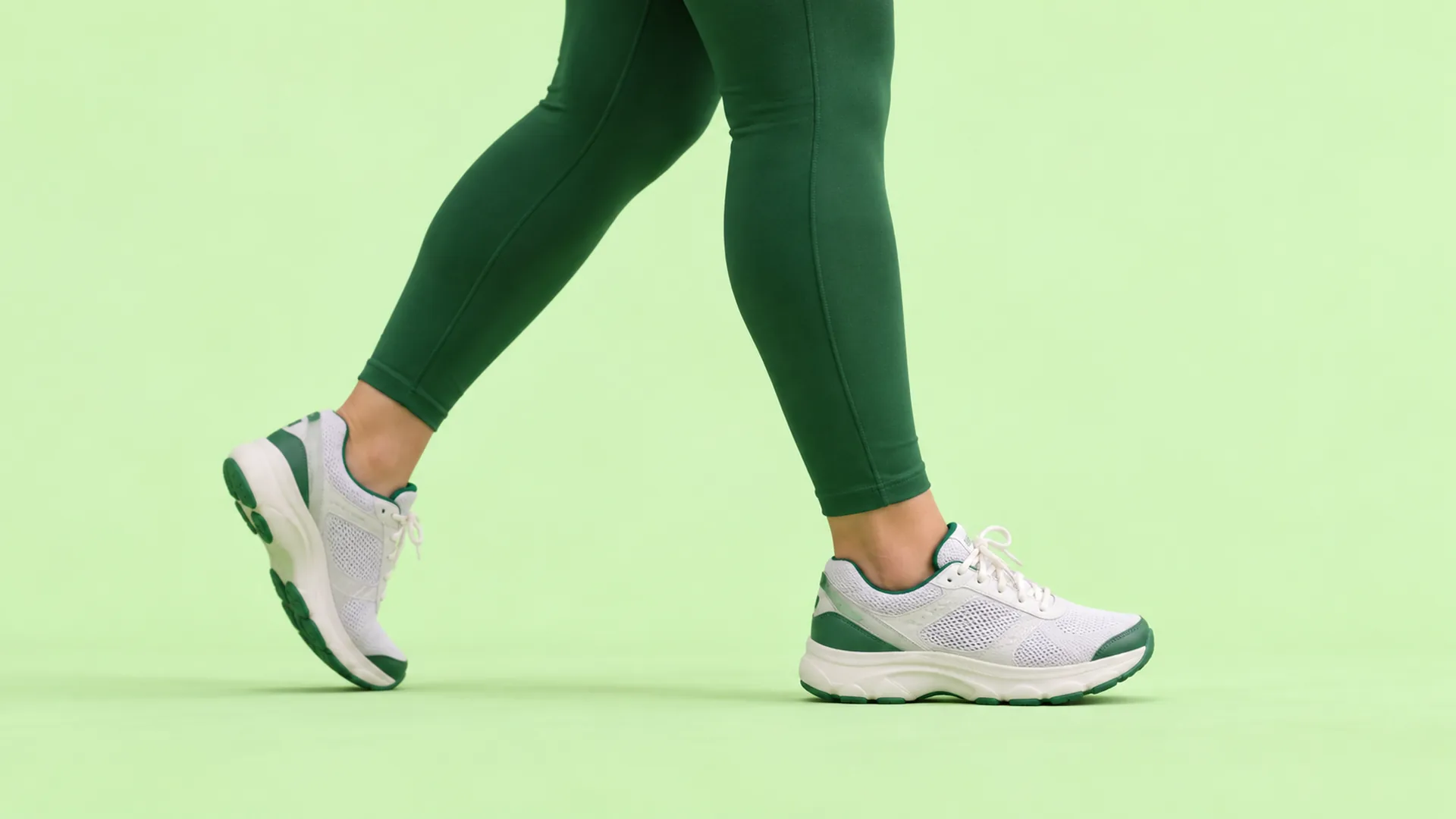
Your feet are worth a little attention too. Comfortable, supportive shoes can make longer walks feel easier. It is also worth checking your shoes from time to time, as worn-down soles offer less cushioning.
If you are thinking about a GLP-1 medication, starting to move a little more now helps your body get used to the extra activity before your weight begins to change. Low-impact options like swimming can be a gentle way in.
If you are already on treatment, you may notice your energy changes from day to day, especially when you eat less. Planning your walks or activity for times when you tend to feel more energetic can make them easier to stick with.
A mild ache during or after activity that settles by the next day is usually a sign your body is adapting. If an ache is still there the following day, that is a cue to ease back a little and build up more slowly.
Over time, many people find that moving becomes easier and more enjoyable as their strength and confidence grow together.