Looking after your MSK health during perimenopause

Nicola Tik
Perimenopause brings real and sometimes frustrating changes to the way the body feels and performs. The good news is that the MSK system responds well to consistent, thoughtful support during this period, and the strategies that help are largely within everyday reach. This article covers practical ways to look after your muscles, joints, and connective tissue through the transition.
Physical activity is one of the most effective tools available for managing the MSK changes of perimenopause, and its benefits go well beyond general fitness. Regular movement helps maintain joint lubrication, supports muscle mass, moderates pain sensitivity, and improves sleep quality, all of which are directly relevant to the physical changes of this transition.
The key is consistency rather than intensity. The body during perimenopause responds better to regular, varied movement than to sporadic high-effort sessions followed by long periods of inactivity. Many people find that their tolerance for high-intensity effort becomes less predictable during perimenopause, with sessions that would previously have felt manageable leaving them more fatigued or uncomfortable than expected. Adjusting expectations and working with the body's current capacity rather than against it tends to produce better results during this period than trying to maintain a previous level of output regardless of how the body is responding.
Maintaining muscle mass during perimenopause requires more deliberate effort than it did before, because the hormonal support that previously made muscle maintenance relatively straightforward is less reliable. Strength-based movement, activities that ask the muscles to work against resistance, becomes particularly important during this period as a way of compensating for the reduced hormonal support for muscle maintenance.
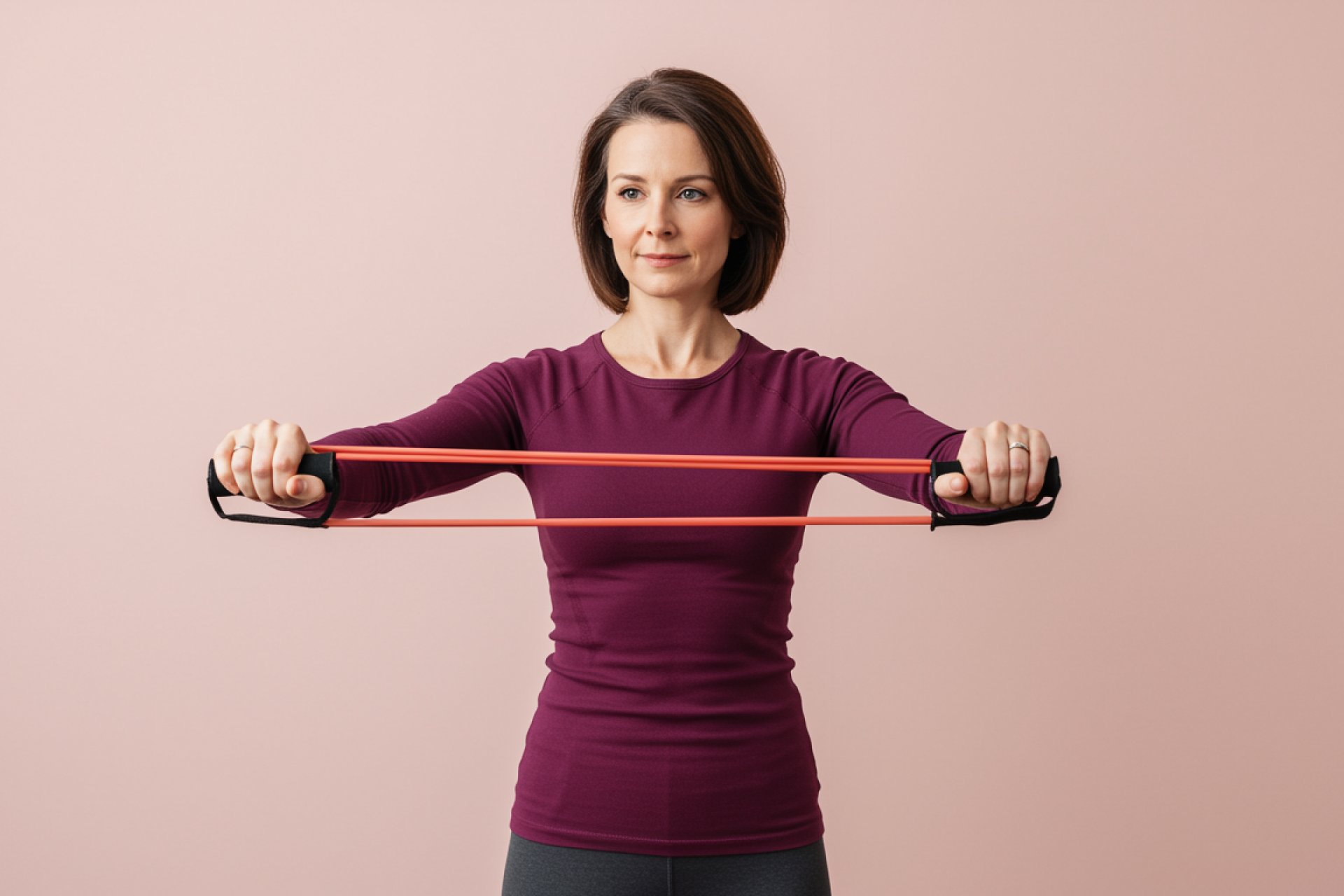
This does not need to mean formal weightlifting or gym-based training. Bodyweight exercises, resistance bands, carrying, gardening, and any activity that involves the muscles working against some form of load all contribute to maintaining the muscle mass and strength that support joint health and physical resilience through the transition. Even modest amounts of regular strength-based activity make a meaningful difference to how the body manages the physical demands of perimenopause over time.
Joint stiffness and aching during perimenopause tend to be most noticeable first thing in the morning and after periods of sustained inactivity. Gentle movement during these periods, rather than waiting for the stiffness to ease on its own, tends to accelerate the process. Short walks, gentle mobility exercises, and simply moving through a comfortable range in the affected joints all help restore lubrication and ease the stiffness that builds during rest.
On days when joint symptoms are more prominent, adjusting the type and intensity of movement rather than stopping altogether tends to serve the body better than rest. Lower-impact activities, swimming, walking, and cycling, place less reactive load on the joints than higher-impact options and are worth prioritising on more difficult days. Warmth applied to stiff or aching joints before activity, and gentle movement immediately afterwards, can make the transition in and out of activity considerably more comfortable.
One of the more challenging aspects of perimenopause is the variability of symptoms from one day to the next. A level of activity that feels entirely manageable on one day may feel disproportionately demanding two days later, without any obvious change in what has been done. This variability can be frustrating, particularly for people who are used to being able to predict how their body will respond to a given level of effort.
Paying attention to how the body is responding on a given day, rather than applying a fixed expectation of what should be manageable, makes it easier to adjust activity in a way that works with the body's current state rather than against it. This is not about doing less. It is about being responsive to what the body is telling you on any particular day, which during perimenopause can change more than it used to.
Your VIDA pain check-in is a good way to track how your body is responding over time and to notice patterns in when symptoms tend to be more or less prominent.
Supporting sleep quality during perimenopause has a direct effect on how the MSK system manages load and recovers from effort. Where sleep is being disrupted, adjusting physical expectations on harder days, keeping movement gentle rather than pushing through significant fatigue, and prioritising recovery between more demanding activity sessions all help the body manage with the reduced recovery capacity that disrupted sleep produces.
Managing the overall load on the body through the day, being thoughtful about how physical effort is distributed rather than concentrating it in one long demanding session, also helps the muscles and joints recover more effectively between efforts. If you have a few minutes, VIDA has short videos you can follow at your own pace, which can help ease joint stiffness and muscle tension during this period.