Long-term glute pain as a new parent

Dr Nicola Tik
When the ache in your buttock has been there for months, it can feel like one more thing to carry alongside a growing baby and very little sleep. Finding time for exercise can seem impossible when you barely have time to eat. Strengthening in small pockets of time, and easing the daily strain where you can, can still make a real difference.
Your glute muscles help you bend, lift, stand up and carry, all of which you do many times a day as a parent. In the months after pregnancy and birth, those muscles often have less strength than before, while the demands on them keep rising as your baby grows.
Carrying your baby on one hip, standing with your weight shifted to one side and lifting from low down can keep putting pressure on the muscles and tendons around your buttock. When pain has been around for a while, your nervous system can also become more sensitive, especially when sleep is broken.
The encouraging part is that glute muscles respond well to strength work, and it does not need long sessions to help.
You do not need a full workout. A few minutes here and there, built into your day, adds up. Some ideas:
If you would like to follow along, VIDA has short videos of bridges, sit to stands and lunges you can use at your own pace.
Aim for two or three short bursts a day, a few times a week. A mild ache that settles by the next day is usually fine.
As exercises feel easier, you could add a few repetitions, slow down the lowering or move to single-leg bridges. Changing one thing at a time, every week or two, gives your muscles time to adapt. On days after a particularly broken night, a lighter version still counts.
Small changes to how you hold and lift your baby can take pressure off your glute:
If the ache is on the outside of your hip, it may be sensitive to being squashed. Sitting with your legs uncrossed, avoiding standing with your hip pushed out to one side and putting a pillow between your knees at night can help.
If you feed lying on your side, a pillow between your knees supports your top leg so it does not drop across your body.
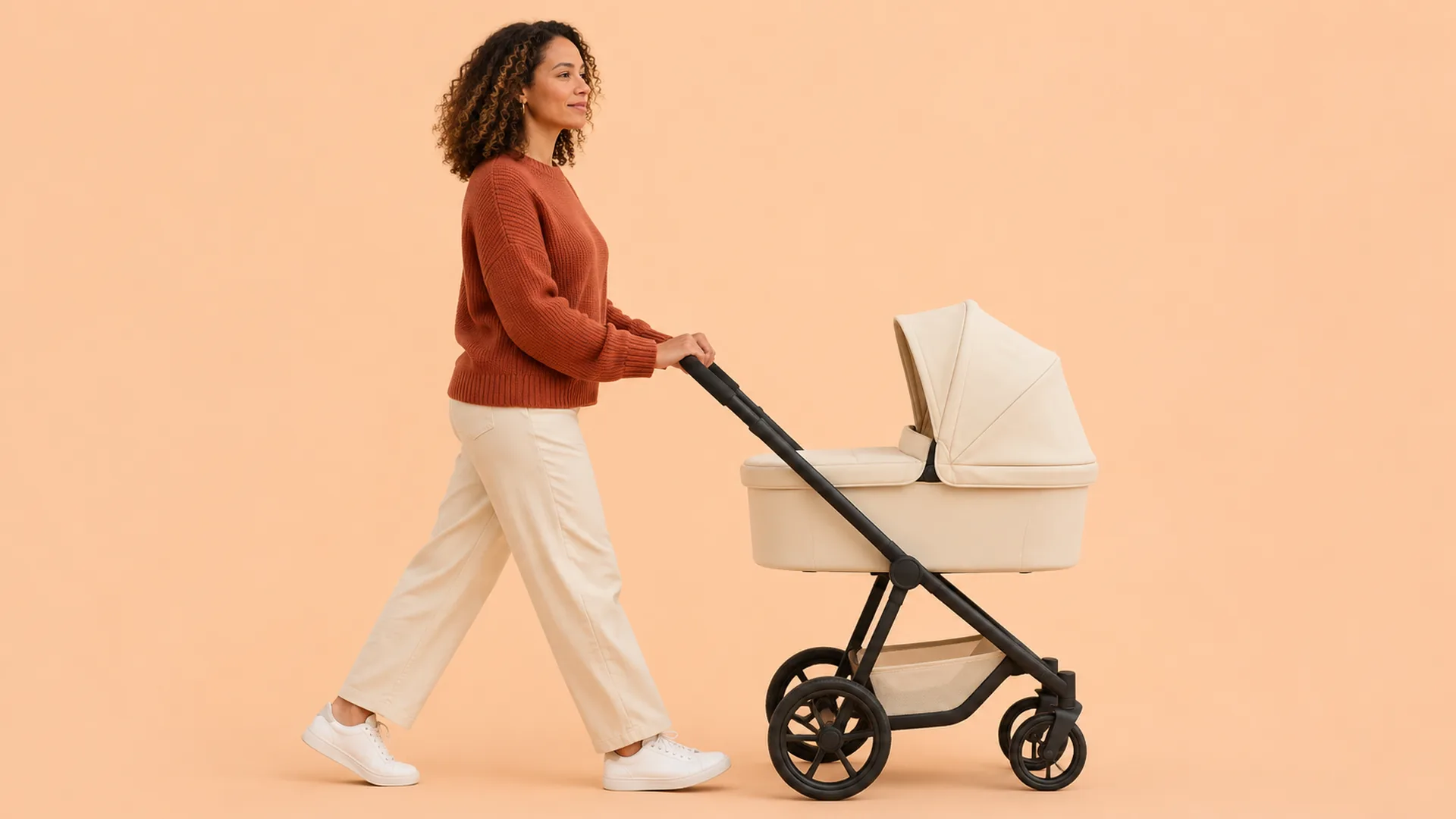
Walking with the pram is a great way to stay active, get some fresh air and give your glutes regular, gentle work. Starting with shorter walks and building up gradually tends to suit a sore glute better than occasional long ones. Some areas have parent and baby exercise classes, which can be a good way to build strength and meet other parents.
Broken sleep can make pain feel louder, so resting when you can, and sharing night feeds or lifting with others, gives your body a chance to recover. Your VIDA pain check-in can help you notice small wins over time, like lifting your baby or walking further more comfortably.