Keeping active while recent hip pain settles

Dr Nicola Tik
Your hip has started to pinch at the bottom of a squat, ache in the groin after a run or feel stiff when you lift your knee to tie your shoes. When you are used to training regularly, it can be hard to know what to keep and what to leave out. Swapping the movements that hurt for ones that do not can keep you active while it settles.
Hip pain in active people often appears after a change in training. More running, deeper squats, a new class with lots of high knees or kicks, or simply more sessions in a week can all add up. The front of the hip and the groin often feel it most, especially in positions where the hip is bent up deeply.
In most cases, the hip is irritated rather than damaged. It needs a little time with less load in the positions that bother it, while you keep everything else going.
A sore hip often dislikes movements where your knee comes up towards your chest, especially under load or at speed. Common ones include:
Noticing which movements bring on your pain helps you know what to change.
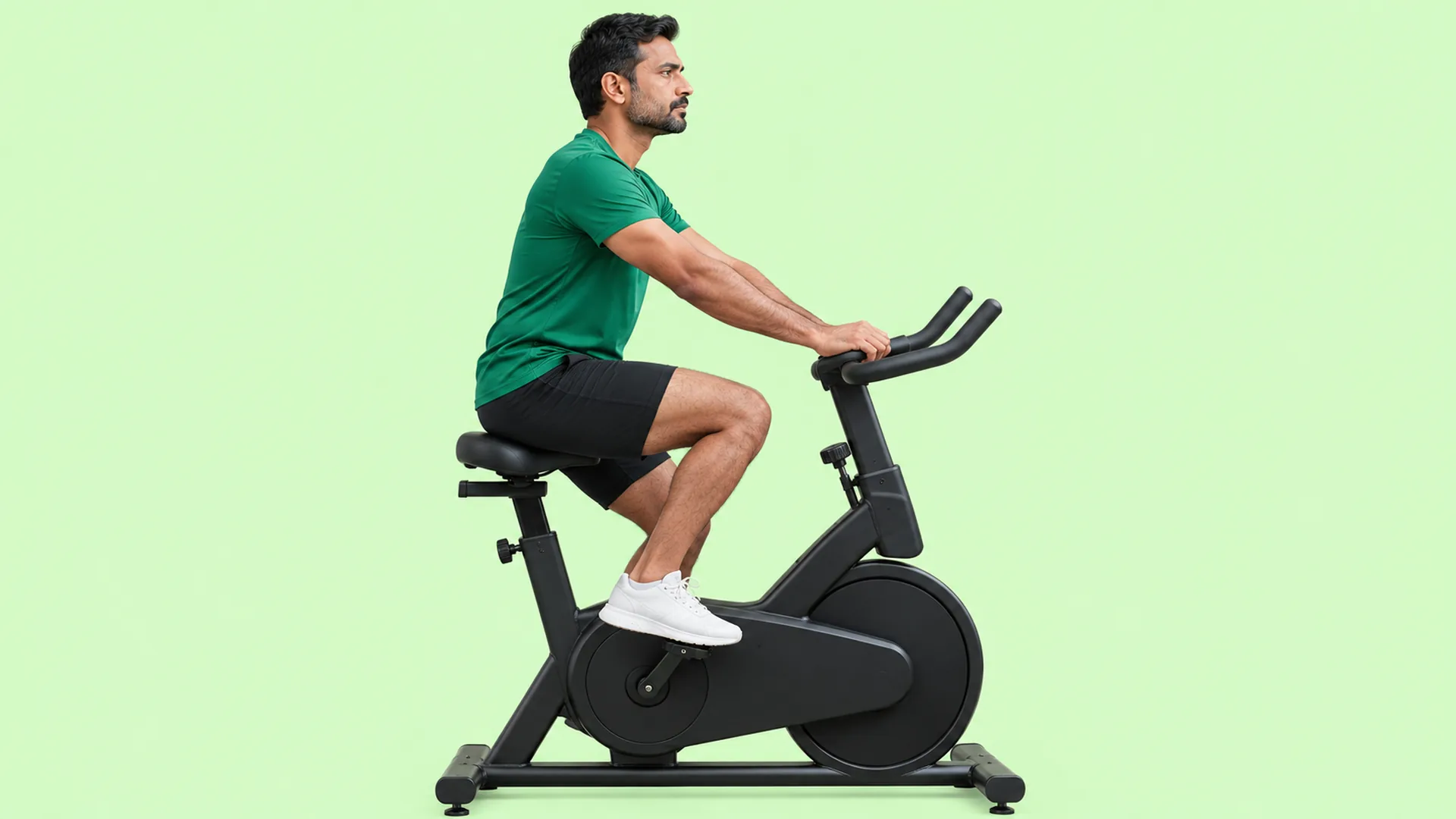
You can usually keep training while avoiding the positions that bother your hip. Some swaps to try:
If you would like to follow along, VIDA has short videos of sit to stands and bridges you can use at your own pace.
The aim is to keep your muscles working and your fitness going, without repeatedly stirring up the sore area.
Gentle movement helps a sore hip settle more than keeping it still. Something to try once or twice a day, holding onto something steady:
If you would like a guided stretch, VIDA has short videos you can follow at your own pace.
Strengthening the muscles around your hip helps it cope with more as you return. Something to try two or three times a week:
Keep these in a comfortable range. A mild ache that settles by the next day is usually fine.
When everyday movements feel comfortable and your hip is no longer sore the morning after training, you could start bringing back what you left out. Something like this tends to work well:
If your hip is sore the following morning, go back a step for a few days before trying again.
Your VIDA pain check-in is a good way to track how your hip responds as you bring movements back in. Noticing which changes help makes it easier to plan your next few weeks.