Keeping active when calf pain keeps coming back

Dr Nicola Tik
You build up your running, things feel good, and then your calf tightens or pulls again. When calf pain keeps returning, it can feel like you are stuck in a loop of building up and starting over. Stronger calves, a steadier build in running and better recovery between sessions can help break that cycle.
Your calf is made up of two main muscles. One crosses the knee and does most of its work in fast, powerful movements. The other sits deeper and works hard with every step when you run, absorbing several times your body weight. Both join the Achilles tendon at the back of your heel.
Calf pain often returns when the calf is asked to do more than it can comfortably handle. That might be a jump in running distance, more speed work, hills or less recovery than usual. Calf strains also tend to become more common with age, so calves often need more attention as the years go on.
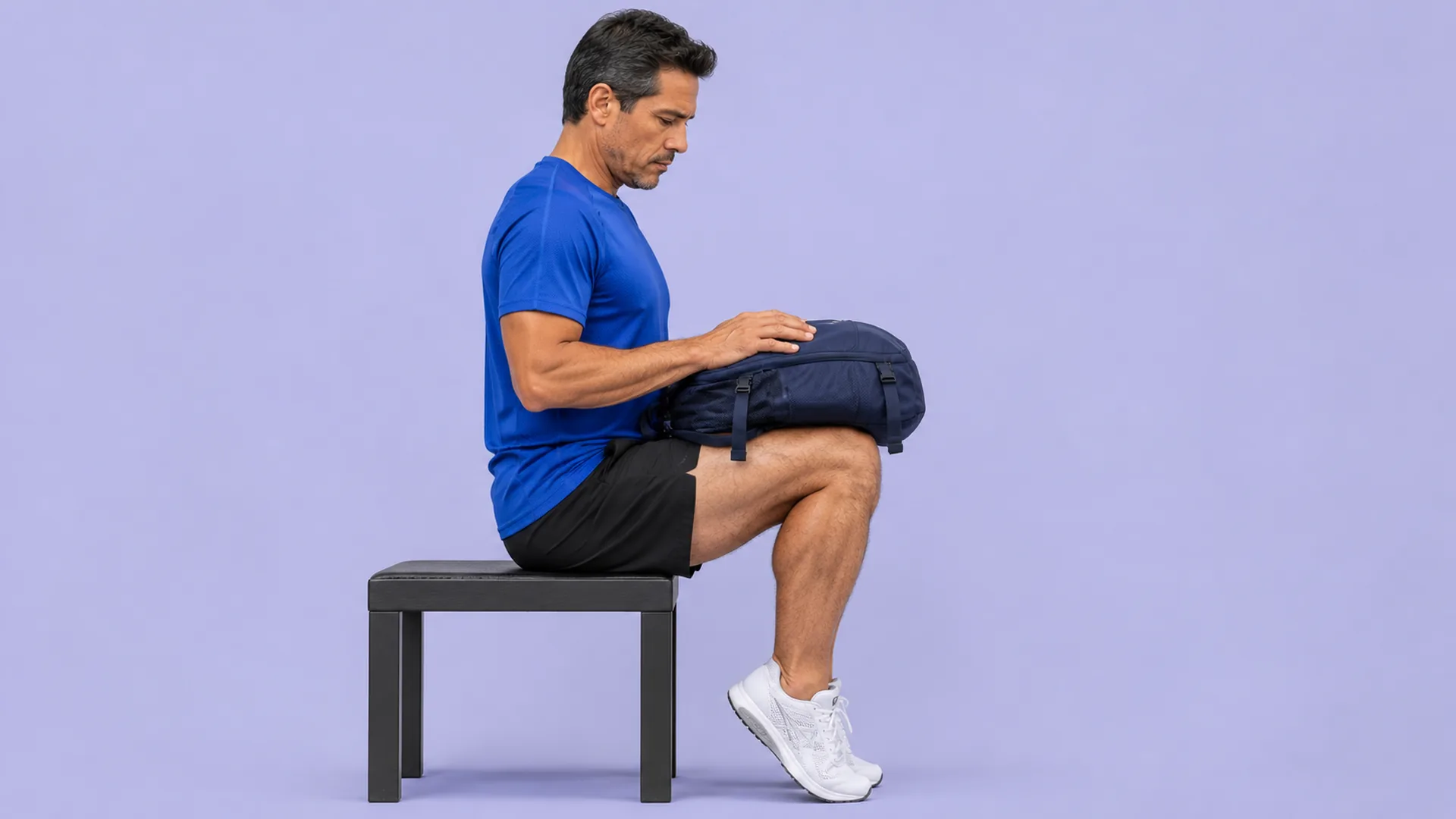
Strong calves cope better with running. Many people who run regularly do not train their calves at all, which leaves them doing a lot of work without much preparation. Something to try three or four times a week:
Build up to doing as many slow single-leg heel raises as you comfortably can, then gradually add weight. If you would like to follow along, VIDA has a short video of heel raises you can use at your own pace.
Big jumps in running are a common reason calf pain returns. In a large study of new runners, those who increased their weekly distance by more than 30 per cent were more likely to get injured.
Some ideas for a steadier build:
Calves need time to recover, especially after harder sessions. Some things that help:
If your calf feels tight on a run, easing off at that point often prevents a longer setback.
Check how your calf feels the next morning. A mild ache or general tiredness is usually fine. If it feels sore when walking or going up stairs, ease back the next run or swap it for a lower-impact session. If you would like a guided stretch, VIDA has short videos you can follow at your own pace.
When calf pain returns, a gradual return helps prevent another loop. Once walking and heel raises feel comfortable, you could start with short run and walk intervals on flat ground, then build up over a couple of weeks before adding hills or speed.
Your VIDA pain check-in is a good way to spot patterns, like whether your calf flares after particular weeks or sessions.