Is it safe to move a sore hamstring?

Dr Nicola Tik
A pull at the back of your thigh when you bend down, an ache when you walk briskly or a twinge when you climb stairs. When your hamstring hurts, it is easy to worry that moving it will cause a tear or make things worse. For most hamstring pain, gentle movement is safe and is an important part of helping it recover.
Your hamstrings are the muscles at the back of your thigh, running from your sitting bone to just below your knee. They work hard when you walk, bend forward and climb stairs. When they are sore, these everyday movements can feel uncomfortable, and it is natural to start avoiding them.
Some people worry that moving a sore hamstring will turn a small strain into a bigger tear. These worries are understandable, but the research suggests that gentle movement helps rather than harms.
Muscles and tendons get stronger when they are loaded gradually. When they are rested completely, they lose some of their strength and can take longer to recover.
In one trial of people with recent thigh or calf muscle strains, those who started gentle exercise two days after their injury, rather than nine, got back to their usual activities around three weeks sooner. Starting gently and early seems to help muscles heal well.
Pain does not always mean damage. Your pain system can be a bit like a sensitive alarm, going off to protect you even when there is no real threat. Feeling some discomfort when you move does not mean you are making things worse.
A mild ache during or after movement that settles fairly quickly is usually fine. If something brings on sharp pain, make it smaller or slower.
Walking is one of the best things you can do for a sore hamstring. Some ideas:
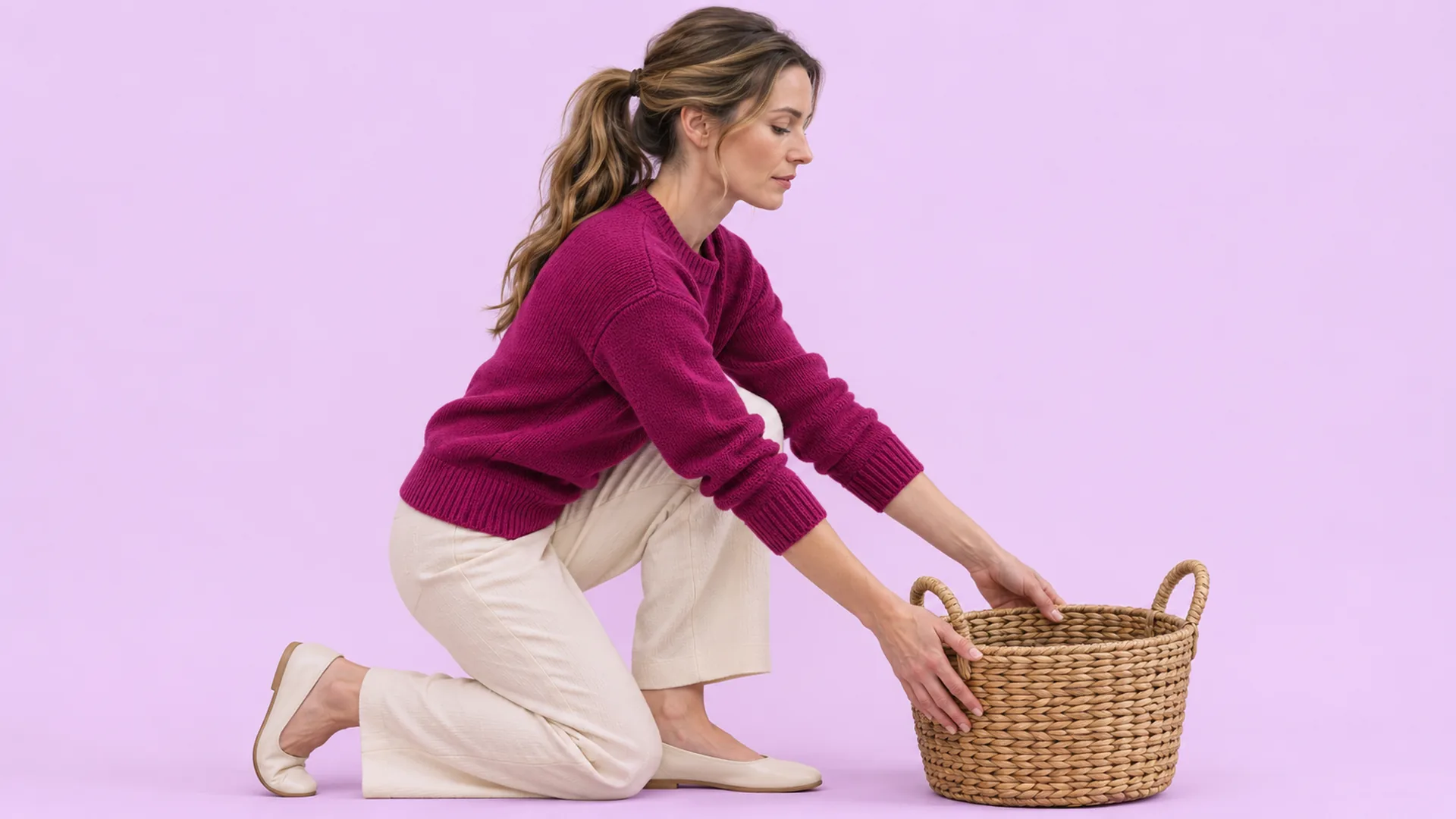
Bending forward asks a lot of your hamstrings. While it is sore, some changes can help:
As your hamstring feels easier, you can gradually return to bending more normally.
Gentle movement helps your hamstring stay supple while it settles. Something to try a few times a day:
If you would like a guided stretch, VIDA has short videos you can follow at your own pace. Keep stretches gentle, as strong stretches can sometimes make a sore hamstring more sensitive in the early days.
As your hamstring settles, gentle strengthening helps it cope with more. Something to try a few times a week:
If you would like to follow along, VIDA has short videos of bridges you can use at your own pace. A mild ache that settles by the next day is usually fine.
If sitting brings on pain at the top of your hamstring, near your sitting bone, a cushion on hard chairs and getting up every half hour or so can help.
Your VIDA pain check-in can help you notice how your hamstring changes as you move more.