How to manage daily movement when calf pain keeps coming back

Dr Nicola Tik
When calf pain has a pattern of settling and then returning, daily movement starts to feel like a careful calculation. You want to stay active, but you are also wary of tipping things back into a painful episode. Finding a more sustainable approach, one that keeps you moving consistently without the repeated setback, is what this article is about.
Recurrent calf pain often follows a recognisable cycle. The muscle becomes painful, activity is reduced, things begin to ease, and then a return to normal activity brings the pain back. Each time this happens, it can feel as though the calf is simply not able to manage normal demands, which can gradually lead to doing less and less out of caution.
The difficulty is that doing less gradually reduces the muscle's tolerance, which makes it more likely that even modest activity will provoke pain. The aim is to break out of this cycle by finding a level of consistent, manageable activity that keeps the muscle gently conditioned through the day, rather than alternating between periods of high demand and extended rest.
The most useful shift for recurrent calf pain is moving from irregular activity patterns to more consistent ones. This does not mean doing more overall. It means distributing movement more evenly across the day so the muscle is never asked to go from extended rest to significant demand in one step.
A practical way to approach this is to think in terms of regular, short movement intervals rather than one or two concentrated activity periods. Getting up and walking briefly every 30 to 45 minutes if you have been sitting, rather than sitting for two hours and then going for a long walk, keeps the calf gently active and reduces the jarring effect of sudden load after a long period of stillness.
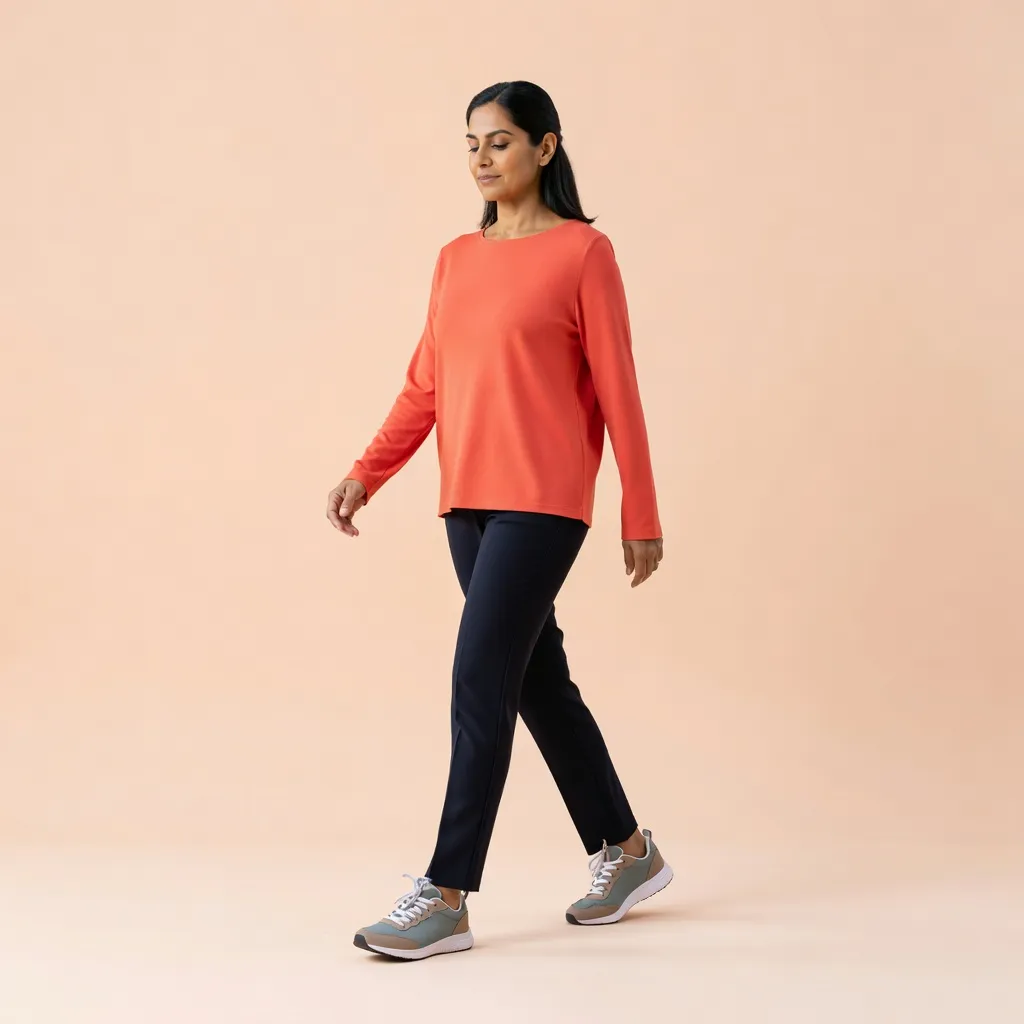
Walking remains the most practical and accessible activity for managing recurrent calf pain. The key is keeping it consistent and building gradually rather than letting it fluctuate with how the calf is feeling on a given day.
A useful approach is to establish a baseline, a walk duration and pace that feels comfortable on most days, including days when the calf is a little more sensitive than usual. Starting from that baseline consistently, rather than doing more on good days and nothing on bad ones, builds the muscle's tolerance more steadily over time.
Flat, even surfaces and supportive footwear with a small heel raise and reasonable cushioning are worth treating as standard rather than something you only reach for on difficult days. These choices reduce the baseline load going through the calf with every step, which adds up significantly over the course of a day.
One of the more effective ways to reduce the frequency of calf pain recurrence is to gradually build the strength and tolerance of the muscle over time. A stronger calf is better equipped to manage the demands of daily life without tipping into sensitivity.
Heel raises are a simple and well-supported exercise for this. Standing with feet hip-width apart and holding a surface for support, slowly rise onto your toes, hold for two to three seconds, then lower slowly. Repeat ten to twelve times, once a day to begin with, building gradually over several weeks as the calf adapts. The slow lowering phase is particularly useful for building the muscle's capacity to manage load.
If this feels too demanding initially, starting with seated heel raises, pressing the toes into the floor while seated to raise the heel, is a gentler version that still keeps the muscle working. Build towards the standing version over time.
If you would like a guided routine to support this, VIDA has a short video you can follow at your own pace.
When symptoms do return, as they sometimes will during recovery, the response matters as much as the initial management. Scaling back to the comfortable baseline rather than stopping all activity tends to produce a quicker return to normal than complete rest. Keeping up the gentle movement habits, the regular short walks, the ankle pumps, the seated movement breaks, maintains the muscle's conditioning even on more difficult days.
Applying something cool to the area for 10 to 15 minutes can help ease discomfort during a flare. Once the initial sensitivity settles, warmth tends to be more helpful for easing the muscle tension that often accompanies a return of symptoms.
Returning to the strengthening exercises at a reduced level, rather than stopping them entirely, also tends to support a faster recovery than starting from scratch each time.
Your VIDA pain check-in is a good way to track how frequently symptoms are returning and whether the pattern is shifting over time as you build more consistent habits.