How to manage daily load on your ankle when pain is persistent

Dr Nicola Tik
When ankle pain has been present for a while, managing how much demand you place on the joint across a typical day becomes an important part of recovery. Too little activity and the ankle loses conditioning, stiffens, and becomes less tolerant of everyday demands. Too much, or the wrong kind, and things flare up and set progress back. Finding a sustainable middle ground is what this article is about.
The ankle manages load from almost every activity involving the lower body. Walking, standing, climbing stairs, and even sitting with the foot on the floor all place some demand through the joint. For most people with persistent ankle pain, the issue is not that any single activity is too much, but that the cumulative load across the day, combined with periods of rest that reduce the joint's conditioning, creates a pattern the ankle struggles to stay on top of.
A useful starting point is to notice which activities or times of day consistently make the ankle feel worse, and which feel manageable or neutral. This gives a clearer picture of where the load is coming from and which adjustments are likely to make the most difference.
One of the most effective adjustments for persistent ankle pain is making walking more consistent rather than more cautious. A pattern of doing very little on most days and then a longer or more demanding walk when things feel better tends to keep the ankle in a cycle of sensitivity and setback. A more useful approach is to establish a comfortable baseline, a walk duration and pace that feels manageable on most days, and keep to it consistently.
Starting with 10 to 15 minutes on flat, even surfaces with supportive footwear, once or twice a day, is a reasonable baseline for many people. Building gradually from there, adding a few minutes each week as the ankle adapts, tends to produce more lasting progress than letting activity fluctuate with how the joint feels on a given day.
Footwear is one of the most practical and immediately modifiable factors in persistent ankle pain. Shoes with a supportive sole, a small heel raise, and some lateral structure around the ankle reduce the demand on the joint's muscles and ligaments with every step. Treating supportive footwear as a standard daily choice rather than something reserved for difficult days makes a meaningful difference to the cumulative load the ankle manages over time.
Flat shoes, bare feet on hard floors, and unsupportive sandals all increase the demand on the ankle's stability systems and are worth avoiding as a default while pain is persistent. This is a small adjustment that adds up significantly across a full day.
The muscles responsible for controlling the ankle's position during movement are a key part of managing persistent pain. When these muscles are strong and responsive, the joint is better supported and less likely to be tipped into sensitivity by everyday demands.
A few simple exercises worth building into the day:
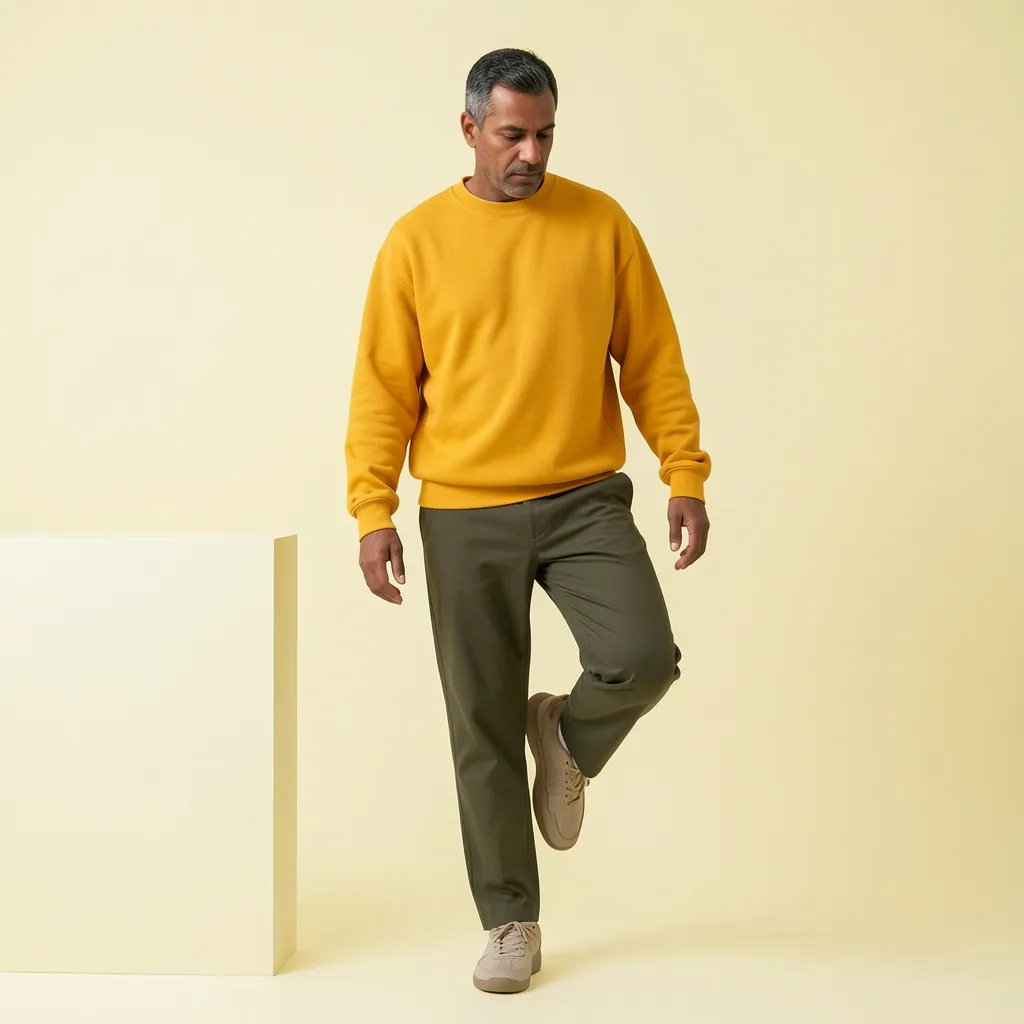
Single leg standing: standing near a surface for support, lift one foot slightly off the floor and hold for 20 to 30 seconds. Repeat three times on each side. This challenges the ankle's stability muscles in a gentle, functional way and can be done during natural pauses in the day, such as while waiting for the kettle or brushing your teeth.
Seated ankle circles: sitting with the foot off the floor, slowly rotate the ankle five times in each direction. This keeps the joint mobile and is easy to build into desk breaks through the day.
If you would like a guided programme to support this, VIDA has a short programme you can work through at your own pace.
The surface you move on has a significant effect on how much demand is placed on the ankle's stability systems. Flat, even surfaces are consistently easier to manage than uneven ground, hills, or surfaces that require the ankle to adapt quickly to changes underfoot.
While pain is persistent, defaulting to flat, predictable surfaces for everyday walking reduces the baseline load on the joint. As the ankle becomes stronger and more stable over time, gradually introducing more varied terrain builds its capacity to manage those demands without being caught off guard.
Even with careful management, persistent ankle pain will have more difficult days. On those days, scaling back to the comfortable baseline rather than stopping all activity tends to produce a quicker return to normal than complete rest. Keeping up the gentle movement habits and the stability exercises at a reduced level maintains the ankle's conditioning even when things are more uncomfortable.
Elevating the foot for short periods across the day and applying something cool to the area for 10 to 15 minutes can help ease discomfort during a flare. Once the initial sensitivity settles, warmth tends to be more helpful for easing the muscle tension that often accompanies a difficult period.
Your VIDA pain check-in is a good way to keep track of how the ankle is responding to your daily habits over time, and to notice when things are gradually shifting in the right direction.