How to make the next knee pain episode less likely

Dr Nicola Tik
If your knee has been painful recently, it is natural to want to understand what contributed and what might help prevent it coming back. Knee pain rarely has a single cause, but the strength of the muscles surrounding the knee and how much load the joint is managing across a typical day play a bigger role than many people realise. Building the knee's resilience gradually is the most reliable way to reduce the chances of pain returning.
The knee is heavily dependent on the muscles around it to manage load effectively. The quadriceps, the large group of muscles at the front of the thigh, absorb a significant amount of the force that passes through the knee during everyday movements like walking, going up stairs, and getting up from a seat. The hamstrings at the back of the thigh provide balance and support. When these muscles are strong and well-conditioned, the knee joint itself is far better protected.
When the muscles lose some of their strength and tolerance, whether from a period of reduced activity, an increase in demand they were not ready for, or simply the gradual effects of a more sedentary routine, more of the load falls directly onto the joint structures. Over time, this can contribute to the kind of irritation that leads to pain.
Rebuilding and maintaining the strength of these muscles is one of the most effective things you can do to reduce the likelihood of knee pain returning.
You do not need a gym or equipment to start building knee resilience. A few simple exercises done consistently most days make a meaningful difference over time.
Seated leg straightening: sitting in a chair with feet flat on the floor, slowly straighten one leg until it is level with the seat, hold for three to five seconds, then lower slowly. Repeat ten times on each side. This is a gentle way to engage the quadriceps without loading the knee heavily.
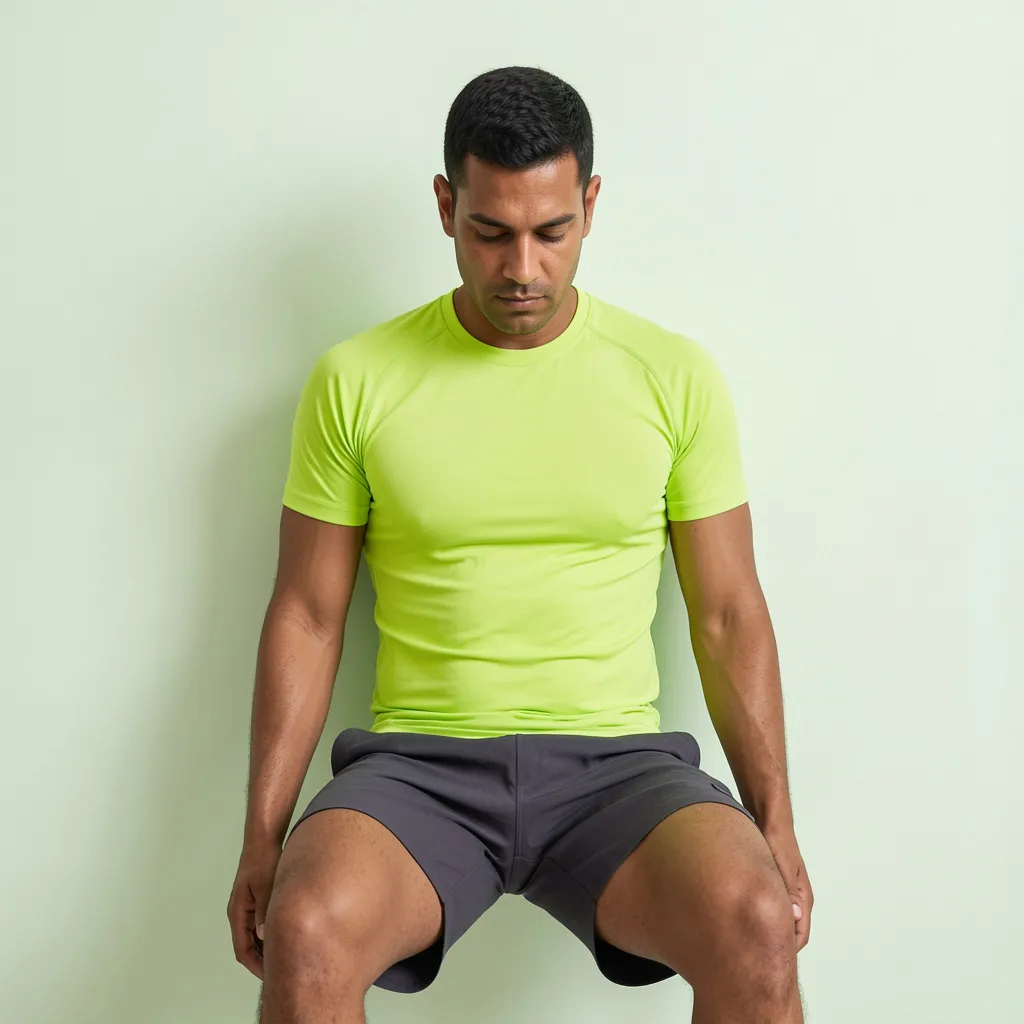
Wall sit: standing with your back against a wall, slide down slowly until your knees are at a comfortable angle, roughly halfway between straight and fully bent. Hold for 20 to 30 seconds, then slide back up. This builds quadriceps strength in a controlled, low-impact way.
Heel raises: standing with feet hip-width apart and holding a surface for support, slowly rise onto your toes, hold for two to three seconds, then lower. Repeat ten to twelve times. This strengthens the calf muscles, which contribute to how load is absorbed through the lower leg and knee.
Start with one set of each and build gradually as things improve. If you would like a guided routine, VIDA has a short video you can follow at your own pace.
Beyond strengthening, it is worth looking at the everyday habits that shape how much load the knee is managing. A few things worth considering:
How much time you spend sitting versus moving. Long, unbroken periods of sitting with the knee bent can increase pressure behind the kneecap and contribute to stiffness. Getting up and moving briefly every 30 to 45 minutes keeps the joint cycling through its range and reduces that build-up.
How quickly activity levels change. A common pattern with knee pain is a relatively sedentary week followed by a much more active day, which asks the joint and surrounding muscles to manage a sudden increase in demand they are not conditioned for. Keeping activity more consistent across the week, even at a modest level, tends to protect the knee better than irregular peaks.
How you go up and down stairs. Leading with the stronger leg and using the handrail when needed reduces the asymmetric load on the knee over the long term.
Shoes with reasonable cushioning and support reduce the impact load travelling through the knee with every step. This matters more over longer distances and on harder surfaces. If you spend a lot of time on hard floors, either at work or at home, supportive footwear is a simple and practical adjustment.
Gradually rebuilding activity after a period of knee pain tends to work better than waiting until the knee feels completely better before doing anything. A useful approach is to return to activities at a reduced level first, shorter duration or lower intensity, and build from there over several weeks as the knee responds. Increasing the overall demand by around ten to twenty percent per week gives the muscles and joint time to adapt.