How to keep moving safely when your hamstring is painful and the pain is recent

Dr Nicola Tik
When the hamstring is sore, staying active requires a little more thought than usual. The muscle is involved in walking, climbing stairs, and getting up from a seat, which means it is difficult to fully offload in everyday life. The good news is that gentle, consistent movement is genuinely helpful for recovery. The key is choosing activities and adjustments that keep you moving without repeatedly aggravating the area. This article walks you through how to do that.
Walking is useful when hamstring pain is new, but it is worth approaching it a little differently than usual. The hamstring works hardest during the phase of walking where the leg swings forward and the muscle lengthens to control the movement. A longer stride increases this demand significantly, while a shorter, more controlled stride reduces it.
A practical adjustment is to walk at a slightly shorter stride length than normal and at a comfortable, unhurried pace. This keeps the hamstring gently active without asking it to work through a large range under load. Starting with 10 to 15 minutes on flat ground and building gradually over the first week is a sensible approach.
Hills and inclines place more demand on the hamstring than flat surfaces and are worth avoiding for the first few days. Soft, even surfaces such as grass or a flat path tend to feel more comfortable than hard pavements in the early stages.
Gentle cycling is one of the better options when hamstring pain is new. The pedalling motion keeps the muscle moving through a controlled, relatively small range without the lengthening demand of walking or the forceful contraction of more demanding activities. The hamstring is active during cycling but in a way that tends to feel considerably more comfortable than weight-bearing movement when the area is sensitised.
Keep the resistance low and adjust the seat height so the knee has only a slight bend at the bottom of the pedal stroke. A seat that is too low increases the range of knee flexion and places more demand on the hamstring. Starting with 10 to 15 minutes and building gradually is a good approach.
Swimming is a useful option if you have access to a pool. The water supports body weight and reduces the load going through the hamstring significantly, while still keeping the muscle moving. Front crawl and backstroke with a relaxed kick are generally well tolerated. Avoid a powerful kick from the hip in the early days, as this requires the hamstring to work more forcefully through its range.
Sitting for long periods with the knee bent places a sustained load on the hamstring, particularly at the upper attachment near the sitting bone. Getting up and moving gently every 30 to 45 minutes is important when hamstring pain is new, as the muscle tends to stiffen quickly in a sustained position and the first steps after a long sitting period can be the most uncomfortable part of the day.
If you are at a desk, check that your seat height allows the thigh to be roughly horizontal with the foot flat on the floor. A seat that is too low increases the stretch on the hamstring during sitting and can keep the area irritated across a working day.
A small rolled towel or cushion placed under the thigh rather than under the sitting bone can reduce pressure on the upper hamstring attachment during desk work and tends to make sustained sitting more comfortable.
Alongside walking and cycling, a couple of gentle movements are worth weaving into the day to keep the hamstring mobile without loading it heavily.
The heel slide: lying on your back with both knees bent and feet flat, slowly slide one heel away until the leg is roughly half straightened, hold for three to five seconds, then return. Repeat eight to ten times on each side. This keeps the hamstring gently moving through a comfortable range without significant load or stretch.
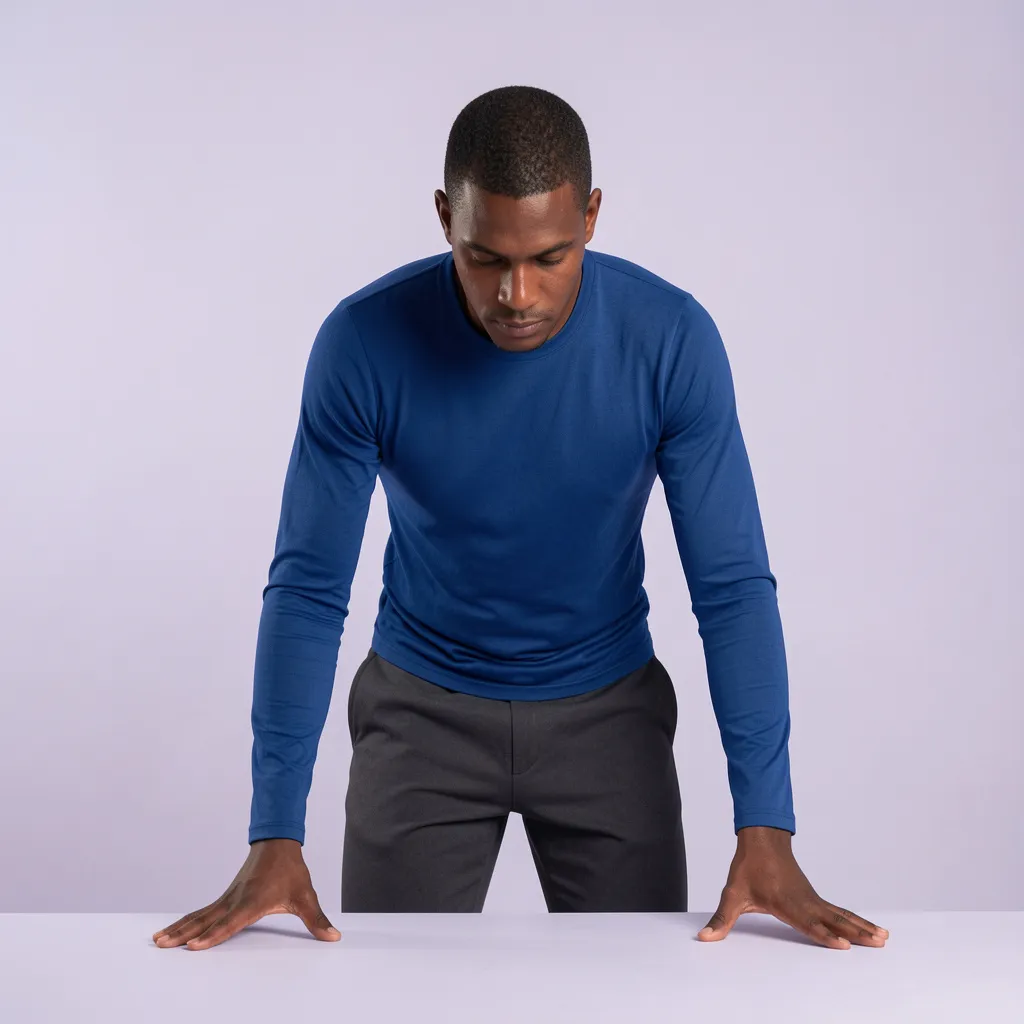
Standing hip hinge: standing with feet hip-width apart and holding a surface for support, slowly hinge forward from the hips a small amount, keeping the back roughly straight, then return to upright. Repeat eight to ten times. This introduces a gentle lengthening of the hamstring in a controlled way and is a useful step towards gradually rebuilding its tolerance over the first week.
If you would like a guided routine to support you through this, VIDA has a short video you can follow at your own pace.
A few activities are worth scaling back temporarily while things are still new. Running, any activity involving a forceful kick or sprint, deep lunges, and intensive stretching of the hamstring are likely to keep the area irritated if introduced too soon. Aggressive stretching in particular is worth avoiding in the early days, as it places a strong lengthening force through a muscle that is already sensitised and can slow recovery rather than help it.
This is a short-term adjustment rather than a long-term restriction. Gradually reintroducing these activities as the hamstring settles, starting at a reduced intensity and building from there, tends to produce a more complete and lasting recovery.
Your VIDA pain check-in is a good way to track how the hamstring is responding to activity over the first week or two, and to notice when things are genuinely beginning to ease.