How to keep active and comfortable when calf pain is new

Dr Nicola Tik
When the calf is sore, staying active can feel like a careful balancing act. The muscle is involved in almost every step you take, which makes it hard to avoid entirely, and yet pushing it too hard while things are still new can set recovery back. This article walks you through how to keep moving in a way that supports the calf rather than aggravating it.
When calf pain is new, the aim is not to stop all activity but to find a level of movement the muscle can manage comfortably and build from there. Activities that load the calf heavily, such as running, hill walking, or prolonged standing on hard surfaces, are worth scaling back temporarily. Activities that keep the muscle gently moving without significant demand, such as short flat walks, gentle cycling, or swimming, tend to support recovery rather than hinder it.
The muscle responds well to consistent, gentle use. Long periods of complete rest followed by a return to normal activity can make things feel worse rather than better, because the muscle stiffens during rest and is then asked to manage full demand again before it has had a chance to settle properly.
Walking is the most practical activity to manage carefully when calf pain is new. Short, flat walks at a comfortable pace are generally well tolerated and help keep the muscle mobile. A useful starting point is 10 to 15 minutes on a level surface, building gradually over the first week as things ease.
Hills and inclines place significantly more demand on the calf than flat ground and are worth avoiding for the first few days. The push-off phase of walking uphill loads the muscle heavily, and even a gentle slope can be enough to aggravate things when the area is sensitised.
Soft or slightly cushioned surfaces, such as grass or a running track, absorb more impact than hard pavements and tend to feel more comfortable while things are settling. Supportive footwear with a small heel raise and reasonable cushioning makes a meaningful difference to how the calf feels during and after a walk.
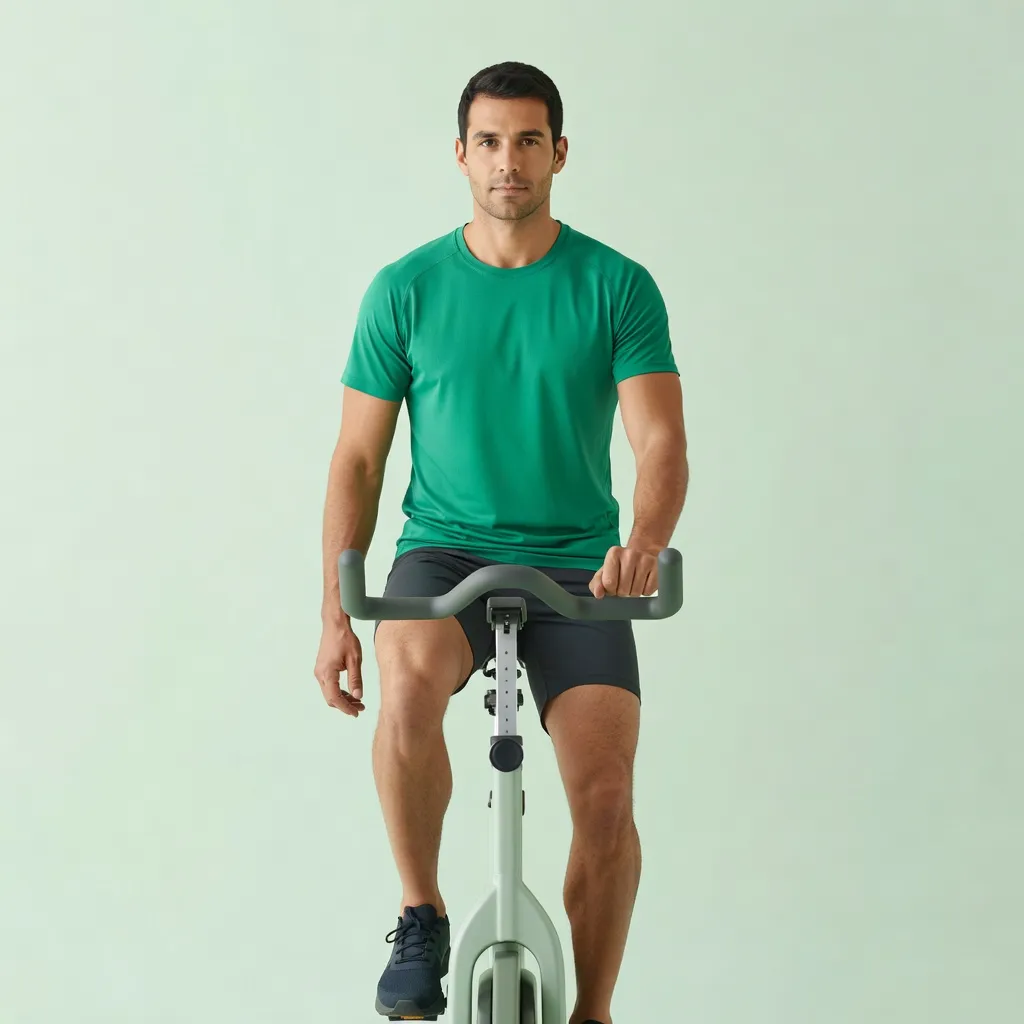
Gentle cycling, either on a stationary bike or on flat terrain, is a particularly good option when calf pain is new. The pedalling motion keeps the ankle and calf moving through a comfortable range without the impact load of walking, and the muscle does not have to work as hard as it does during weight-bearing activity. Keep the resistance low and adjust the seat height so the knee has a slight bend at the bottom of the pedal stroke, which reduces the stretch on the calf at the end of each revolution.
Starting with 10 to 15 minutes and building gradually is a sensible approach. If pedalling feels comfortable, cycling is often one of the easier ways to maintain cardiovascular fitness while the calf is settling.
Swimming is a useful option if you have access to a pool. The water supports body weight and significantly reduces the load going through the calf, while still keeping the muscles moving. Front crawl and backstroke are generally well tolerated. Avoid a strong kick from the ankle if the calf is particularly sore, as a forceful push through the water loads the muscle more than a relaxed kick.
Walking in the shallow end of the pool is also a gentle and effective way to keep the calf active with reduced load, and many people find it feels more comfortable than walking on land in the early days.
If you are spending time at a desk or sitting for longer periods while the calf settles, keeping the leg gently moving helps prevent stiffness from building up. The seated ankle pump, slowly flexing and pointing the foot ten to fifteen times every hour or so, is a simple habit that keeps the calf muscles moving through their range without any significant load.
Elevating the leg when sitting, by resting it on a footstool or cushion, helps reduce any swelling that tends to build through the day and can make the calf feel more comfortable by the evening.
As the first week passes and things begin to settle, you can start to reintroduce slightly more demanding activity. A useful guide is whether the calf feels roughly the same or better during and after activity compared to before. If it consistently feels worse after a particular activity, it is worth scaling that one back a little further and building more slowly.
Returning to running, hill walking, or more sustained standing should wait until the calf is feeling comfortable during everyday walking and the shorter activities described above. Rushing this stage is one of the more common reasons calf pain takes longer to settle than it needs to.
Your VIDA pain check-in is a good way to track how the calf is responding to activity over the first week or two, and to notice when things are genuinely moving in the right direction.