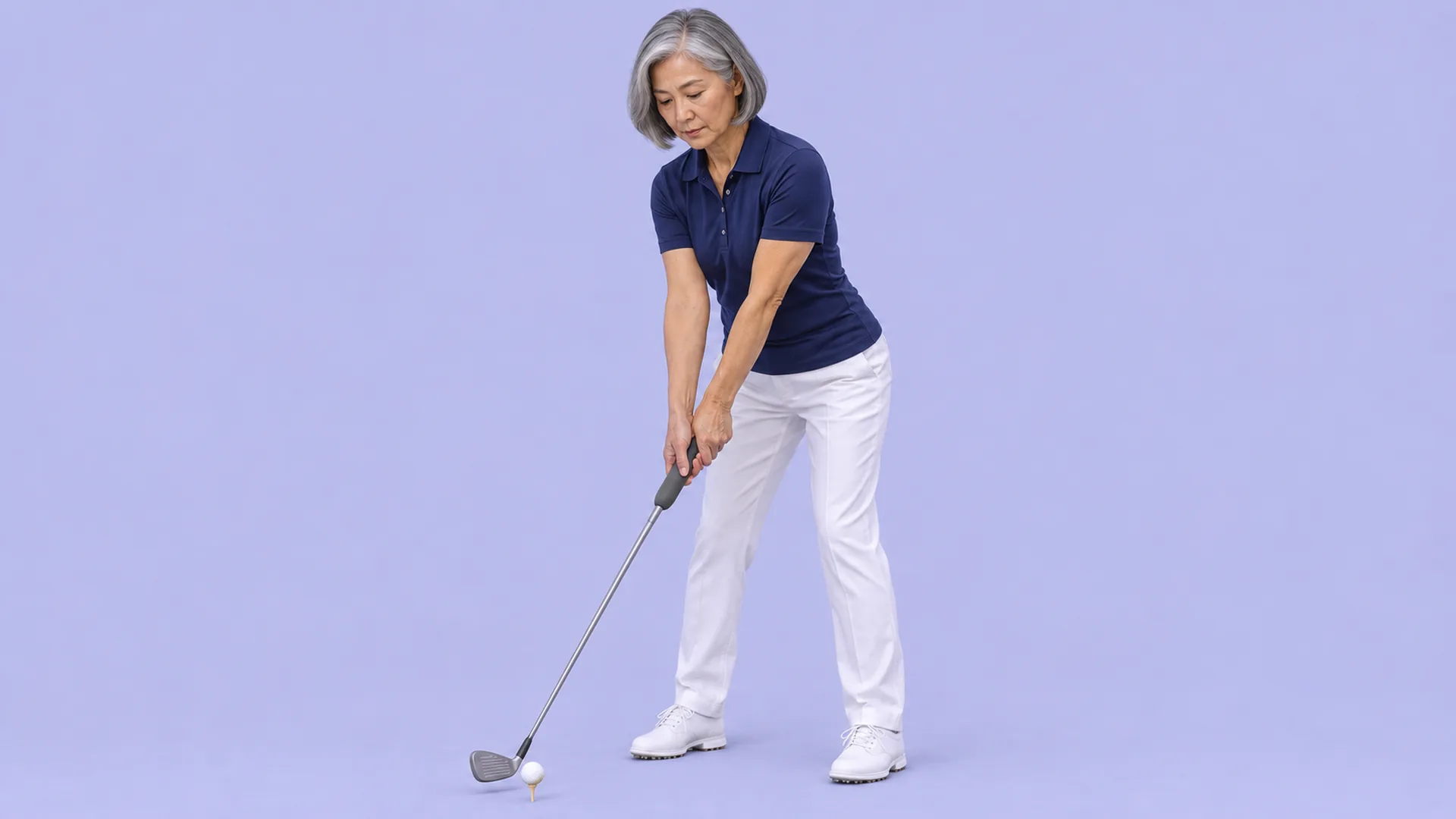
Golf with recent elbow pain and how to keep playing

Dr Nicola Tik
Your elbow has started aching, and gripping the club or hitting off the mat now comes with a twinge. Elbow pain is common in golf, and it can be frustrating when it gets in the way of your game. Most recent elbow pain settles with time and a few changes to your grip, swing and practice.
The muscles that grip the club and steady your wrist attach to small areas of bone at your elbow, through tendons. Pain on the inside of the elbow is often called golfer’s elbow, and pain on the outside is often called tennis elbow, though either can happen in golf. Both are usually about these tendons becoming irritated from more load than they are used to.
Hitting into the ground, mats or thick rough sends a jolt up the club into your forearm. Gripping tightly, long range sessions and a sudden increase in practice add to it. In most cases, the tendon is irritated rather than damaged, and settles over the following weeks to months.
Grip pressure makes a big difference:
Some changes to your clubs can soften the impact:
A few changes can ease the load on your elbow:
Some ideas to ease the load across a round:
Some ache during a round is fine if it stays mild, around 3 out of 10 or lower, and settles by the next morning. If your elbow is sorer the next day, play fewer holes or hit fewer balls next time.
If your elbow flares after a round, easing off gripping tasks for a day or two, and a cool pack wrapped in a towel for 10 to 15 minutes, can help it settle. Gentle movement is better than keeping it completely still.
Gripping and lifting in daily life can add to the load. Lifting with your palm facing up, using both hands for kettles and pans, and choosing thicker handles can help.
Strengthening the forearm muscles helps the tendons cope with golf again. Something to try most days:
Some discomfort during these is normal, as long as it settles by the next day. Building tendon strength takes several weeks, so steady practice matters.
A strong shoulder and upper back take load away from your elbow too. If you would like to follow along, VIDA has short videos of shoulder squeezes and back lifts you can use at your own pace.
As your elbow settles, you can gradually bring back longer range sessions, full rounds and harder lies, one at a time. Your VIDA pain check-in is a good way to keep track of how your elbow responds.