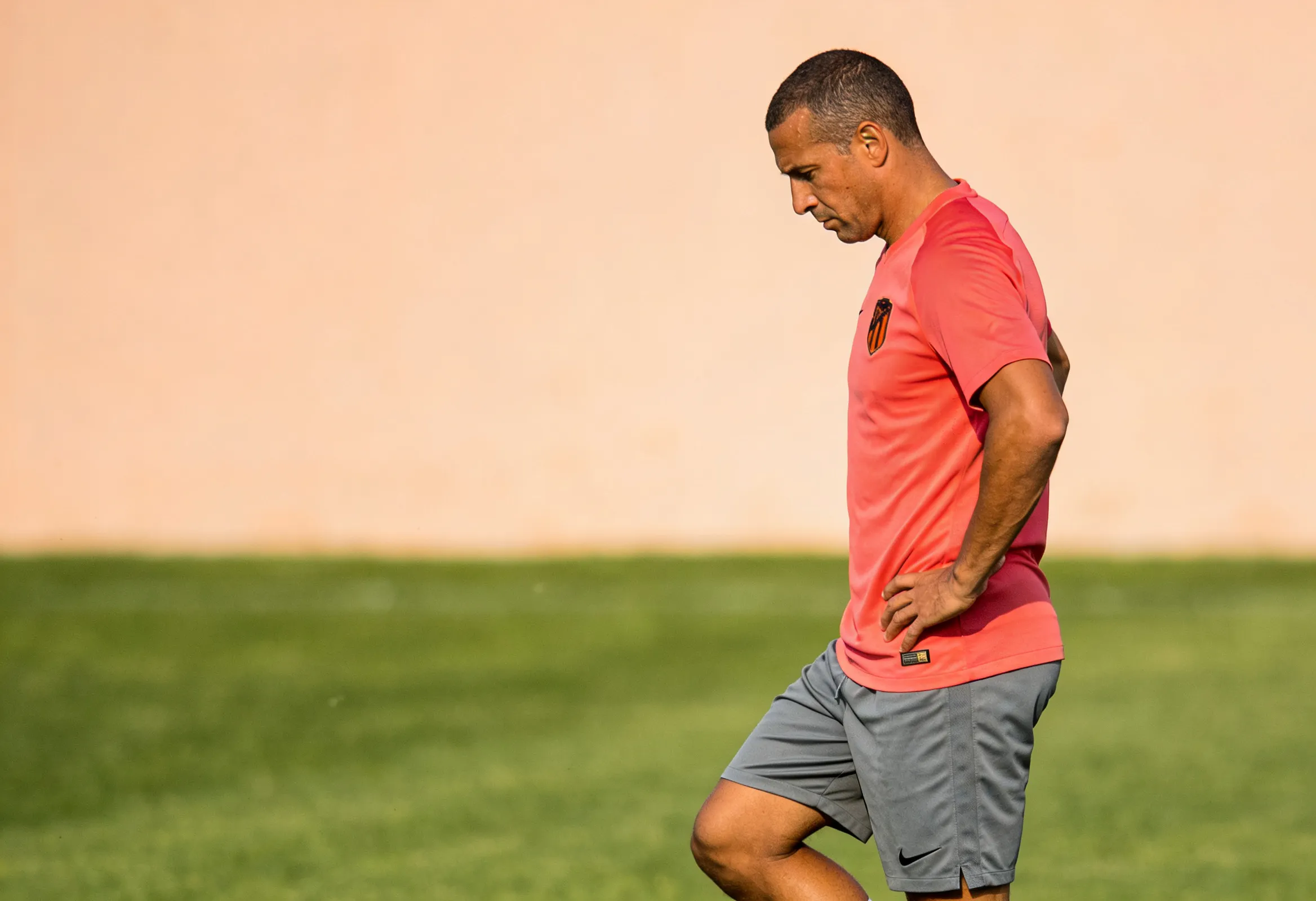
Football and your body: what the sport asks of your joints

Dr Nicola Tik
Football is one of the most physically demanding recreational sports going. It asks the body to sprint, change direction, jump, land, and kick, often repeatedly and in quick succession. Understanding what that demand means for your joints helps you stay on the pitch for longer and manage the inevitable bumps along the way. This article looks at what football actually does to the musculoskeletal system and what that means for how you look after yourself.
The knees, hips, ankles, and lower back are the areas that carry the most load in football. Each sprint involves rapid acceleration and deceleration through the knee and hip. Every change of direction places rotational and lateral stress on the ankle and knee. Landing from a header or a jump compresses the joints of the lower limb repeatedly over the course of a match.
For recreational players, who may only be playing once or twice a week, the challenge is often not the match itself but the mismatch between the demands of the sport and the level of physical preparation outside of it. A body that spends most of the week sedentary and then plays ninety minutes of football is being asked to manage a significant and sudden spike in load.
The knee is the joint most frequently involved in football-related pain and injury. The demands of cutting, pivoting, and landing place high rotational and compressive load on the knee repeatedly throughout a match. The cartilage, ligaments, and tendons around the knee are all structures that football loads considerably.
The ankle is the most commonly injured joint in football overall. The combination of uneven surfaces, contact, and rapid direction changes makes it vulnerable to sprains and to the kind of cumulative load that leads to tendon and joint pain over time.
The hip and groin are areas that football loads through kicking, sprinting, and change of direction. Groin strains and hip flexor problems are common in football players at all levels, often because the hip is asked to produce force rapidly and repeatedly through a wide range of motion.
The lower back is involved in almost every movement in football, from the rotation of kicking to the extension of jumping. Recreational players who do not train regularly outside of matches often lack the trunk strength and endurance to support the spine through those demands over a full game.
The evidence consistently shows that a large proportion of football-related pain and injury in recreational players comes not from contact or acute incidents but from accumulated load over time. Playing through fatigue, returning too quickly after a minor strain, or jumping from inactivity to full match play without a gradual build are among the most common contributing factors.
Managing load as a recreational player means thinking about what you are asking your body to do relative to what it has been doing the rest of the week. Staying reasonably active between matches, doing some basic strength work for the legs and trunk, and taking minor niggles seriously rather than playing through them are the habits that keep recreational players on the pitch over the long term.