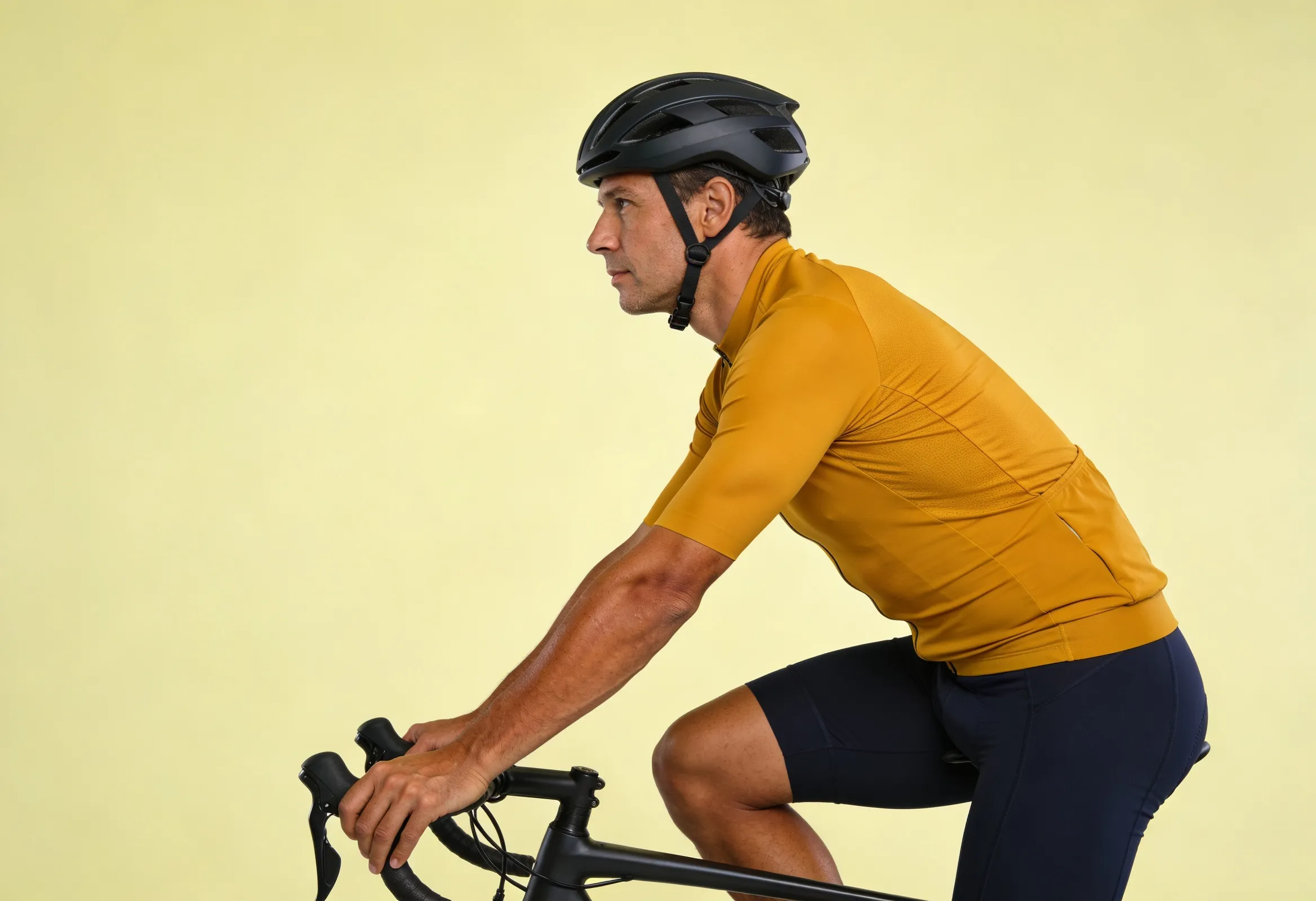
Cycling with wrist pain and small setup changes that can help

Dr Nicola Tik
Wrist pain during or after cycling is often dismissed as something to put up with, but it is usually worth addressing. It tends to come from a combination of how weight is distributed on the bike and how the wrist is positioned while riding, both of which can often be improved with small adjustments. This article looks at what tends to be behind wrist pain in cyclists and what is worth trying.
When you are riding, a proportion of your body weight is taken through the hands and wrists via the handlebars. The amount varies depending on your position, but in a more forward-leaning setup, the wrists can be bearing a significant and sustained load throughout the ride.
The wrist is also held in a relatively fixed position while riding, often with some extension, meaning the joints and tendons are under continuous low-level load for the duration of the ride. Over longer distances that sustained demand can lead to discomfort, numbness, or a feeling of weakness in the hands and wrists after riding.
How much weight is going through the hands is partly a function of how far forward and low the riding position is. A more stretched out position tends to shift more weight onto the hands. If wrist pain is a consistent issue, reflecting on whether your position is asking your arms and wrists to bear more load than is comfortable is a useful starting point.
A higher bar position reduces the forward lean and therefore the proportion of weight distributed through the hands.
The angle of the wrists while riding is also worth considering. Riding with the wrists bent significantly upwards or downwards for extended periods increases the load on the tendons and small joints of the wrist. Aiming for a more neutral wrist position, where the wrist is roughly in line with the forearm, tends to reduce that sustained demand.
Padded gloves and handlebar tape with good cushioning reduce the vibration and impact transmitted through the hands and wrists during riding. For longer rides particularly, these are practical and straightforward adjustments.
During a period of wrist discomfort, shorter rides reduce the duration of sustained load on the area. Checking in with your grip during the ride and avoiding gripping the bars tightly when the terrain does not require it can also help. A relaxed grip throughout reduces the tension in the forearm and wrist considerably.
Varying hand position during a ride, if your bars allow for it, distributes load across different parts of the hand and wrist rather than concentrating it in one place. Many cyclists find this makes a noticeable difference to how the wrists feel on longer efforts.
The wrist, elbow, and shoulder work as a connected system during cycling. Tension or weakness higher up in the arm can contribute to how the wrist is loaded, so keeping the whole upper limb relaxed and building general upper body strength over time supports wrist health alongside direct adjustments to position.