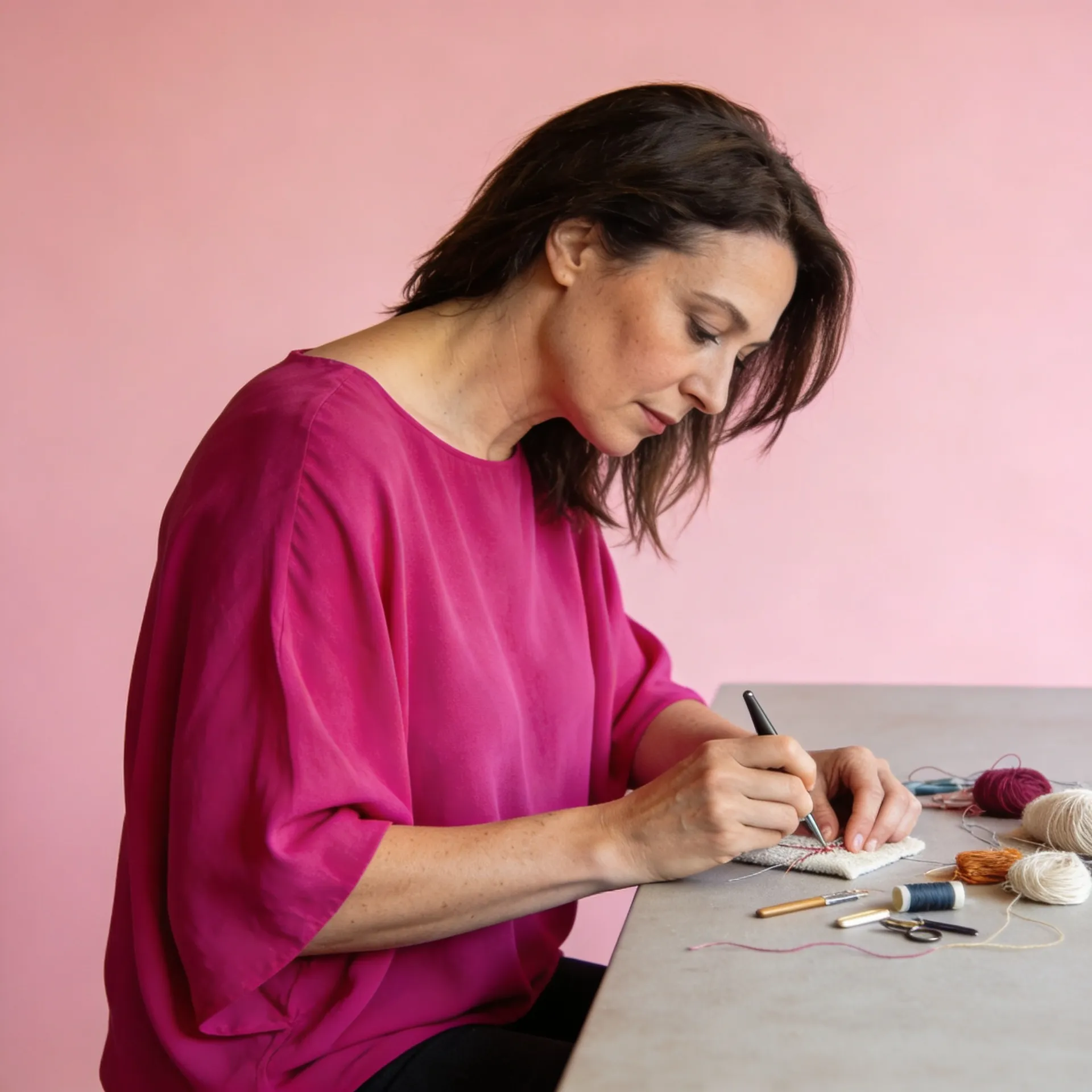
Crafts and your hands: why creative hobbies can quietly load your joints

Dr Nicola Tik
Creative hobbies rarely get mentioned in conversations about physical demand, but for the hands, wrists, neck, and shoulders, regular crafting can be surprisingly taxing. The combination of fine repetitive movements, sustained gripping, and the sustained positions that most craft work involves makes it one of the more consistent triggers for MSK pain in people who would not consider themselves physically active in a conventional sense. This article looks at what crafting actually asks of the body and why it catches people out more than they expect.
Most physical activities involve the body moving dynamically, with natural recovery built into the movement pattern. Crafting tends to involve the opposite. The hands and fingers perform precise and repetitive movements while the rest of the upper body holds a sustained position, often leaning forward over a table or work surface, for extended periods. That combination of fine motor demand and static postural load is particularly taxing on the structures of the hand, wrist, forearm, neck, and shoulder.
The absorbing nature of creative work compounds this. Crafting requires concentration, and that focus tends to override the body's early signals that load is building up. Most crafters have experienced the moment of putting down their work after a long session and noticing that their hands, neck, or shoulders are significantly more uncomfortable than they were aware of during the activity itself.
The hands and wrists are the areas most frequently affected by regular crafting. The tendons that control the fine movements of the fingers pass through the wrist, and the sustained grip and repetitive movement that most craft work involves loads those tendons continuously through a session. The small joints of the fingers and thumb are also commonly affected, particularly in crafts that involve sustained pinching or gripping.
The neck and shoulder are affected by the sustained forward head and rounded shoulder position that most craft work involves. Leaning over a table, looking down at detailed work, and holding the arms in a sustained position relative to the work surface all load the muscles of the neck and upper back continuously rather than dynamically.
The lower back is relevant for crafters who work seated for long periods, particularly those without adequate support or who work in positions that load the lumbar spine over extended sessions.
Unlike sport or manual work, where pain tends to have a clearer relationship to effort and load, crafting-related MSK pain often develops so gradually that it is difficult to connect to the hobby itself. Many crafters experience wrist, hand, or neck pain for weeks or months before making the link to their creative practice, by which time the problem is often well established.
Recognising that regular crafting is a genuine physical demand on the body, rather than a passive or restful activity, is the first step toward managing it well. The same principles that apply to managing load in sport and physical work apply here, just scaled to the smaller but no less significant demands of creative practice.
Many crafters increase their activity significantly when starting an engaging new project, spending more time crafting than usual and often in longer unbroken sessions. That sudden increase in load, applied to the tendons and joints of the hand and wrist without a gradual build-up, is one of the most consistent patterns behind crafting-related MSK pain. Treating an exciting new project with the same gradual approach that physical training benefits from tends to protect against this pattern.
Taking regular short breaks during crafting sessions, varying the tasks within a session where the project allows, and keeping sessions to a manageable duration are the most consistently effective habits for protecting the hands, wrists, and neck during regular creative work.
Staying generally mobile in the neck, shoulders, and wrists and maintaining reasonable strength in the hands and forearms supports the body in managing the sustained and repetitive demands of crafting more comfortably over time.