Building lower back strength when you have pain

Dr Nicola Tik
If your lower back niggles but lets you get on with things, it is a good time to get stronger. Stronger muscles around your back and hips can help it cope with long days and make flare-ups less likely.
Your back is strong and built to move. The muscles around your spine, hips and trunk share the load of sitting, bending and lifting. When they are stronger, everyday tasks ask less of your back.
Research supports this. A large review found that regular exercise made another bout of back pain much less likely over the next year. Mild pain is not a reason to wait. Gentle loading is part of how a back gets stronger.
Choose the level that feels right for you today. You can move up or down whenever you like.
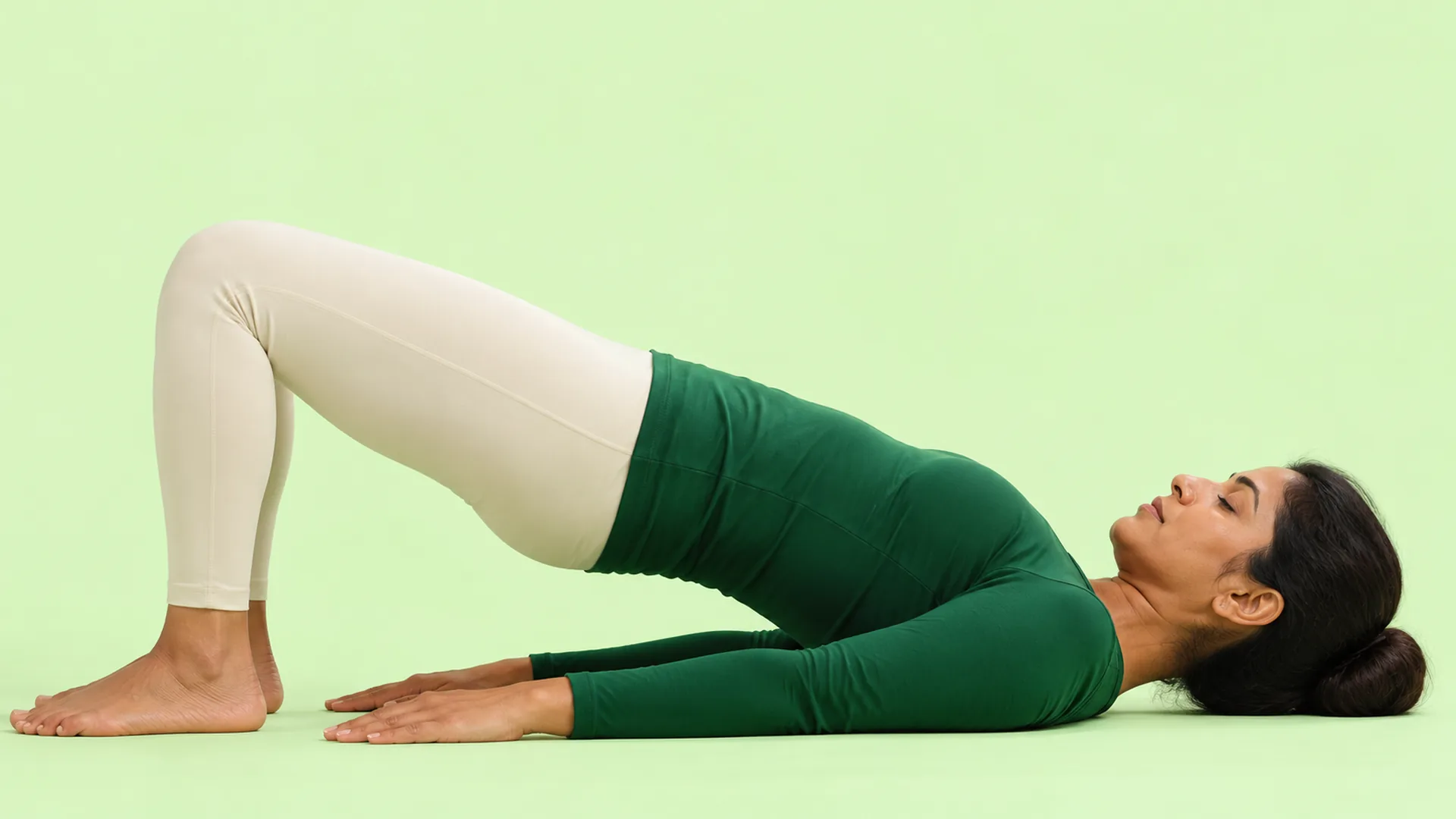
Aim for two or three sessions a week. VIDA has short videos of bridges and back lifts if you would like to follow along.
Some awareness in your back during these exercises is fine. A useful guide is that any discomfort stays mild and settles within a day. If your back feels noticeably worse the next morning, drop down a level for a week, then try again.
A mild ache in your muscles a day or two after starting is common. It usually eases as your body gets used to the work.
Strength work does most when it sits alongside regular movement. Walking is one of the best things you can do for your back. Research suggests a regular walking routine helps people stay free of back pain for longer.
If you sit for long spells, standing up every 30 to 45 minutes also gives your back a break.
When the standard level feels easy for a couple of weeks, you could move up to harder. Or add a third round. Change one thing at a time so you can tell how your back responds.
Your VIDA pain check-in is a good way to see how your back is changing as you get stronger.
Pick two days this week for your first two sessions and put them in your diary.