Entrenador de dolor
The hidden link between patellofemoral pain syndrome and workplace comfort

Dr Nicola Tik
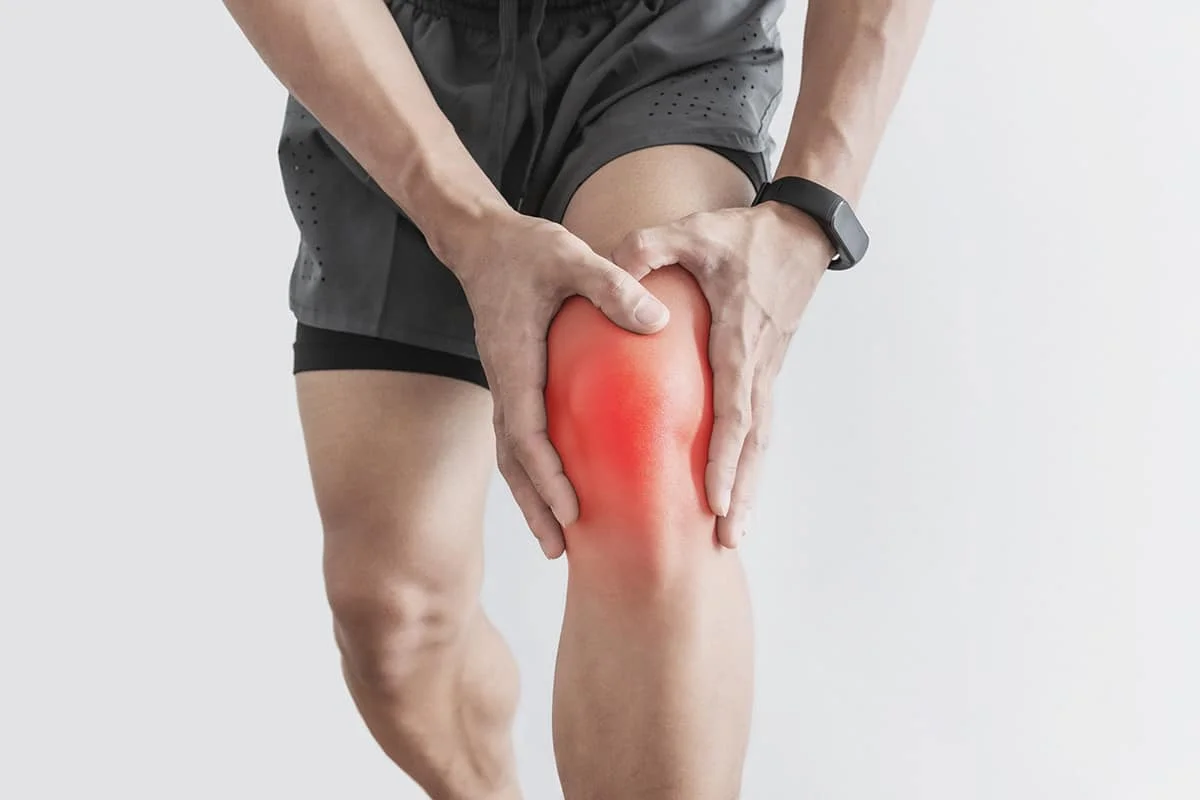
Patellofemoral pain syndrome (often referred to as anterior knee pain) causes discomfort around or behind the kneecap. Symptoms may be triggered by prolonged sitting, standing, walking, or repeated knee bending, and often fluctuate throughout the day.
At work, how long we sit, how often we move, and how we load the knee during everyday tasks can influence symptom behaviour. Understanding these patterns helps reduce irritation and support more comfortable working days.
The kneecap is sensitive to repeated bending, sustained compression, and static postures.
Common workplace contributors include:
• Prolonged sitting with the knees bent
Long periods at a desk can increase pressure behind the kneecap, leading to stiffness and aching when standing up.
• Sitting on low chairs
Deeper knee flexion increases load through the patellofemoral joint.
• Prolonged standing without movement
Holding the knees in one position can increase discomfort and fatigue.
• Limited movement variety
Staying in one posture for too long often leads to stiffness and reduced tolerance when changing position.
These factors can cause knee discomfort to build gradually throughout the working day.
Patellofemoral pain often responds well to reducing sustained knee bending, improving posture, and using regular, gentle movement.
Choose a chair that allows the knees to sit roughly level with, or slightly lower than, the hips.
Avoid very low seating that keeps the knees deeply bent.
Stand up, walk briefly or straighten the legs every 20–30 minutes.
Short, frequent movement breaks reduce joint compression more effectively than long breaks.
Light movement helps reduce stiffness without aggravating the knee, such as:
Movements should feel smooth and stay within comfort.
If standing for longer periods, gently shift weight, take short steps or alternate foot position.
Avoid locking the knees.
Keep frequently used items within easy reach to avoid repeated squatting or kneeling.
Use handrails when available if moving between floors.
Patellofemoral pain syndrome is often influenced by how long and how often the knee is loaded rather than by one single movement. By optimising seating height, reducing prolonged knee bending and introducing regular gentle movement, many people can significantly improve knee comfort during the working day. Small, consistent adjustments make a meaningful difference.