Entrenador de dolor
The hidden link between knee bursitis and workplace comfort

Dr Nicola Tik
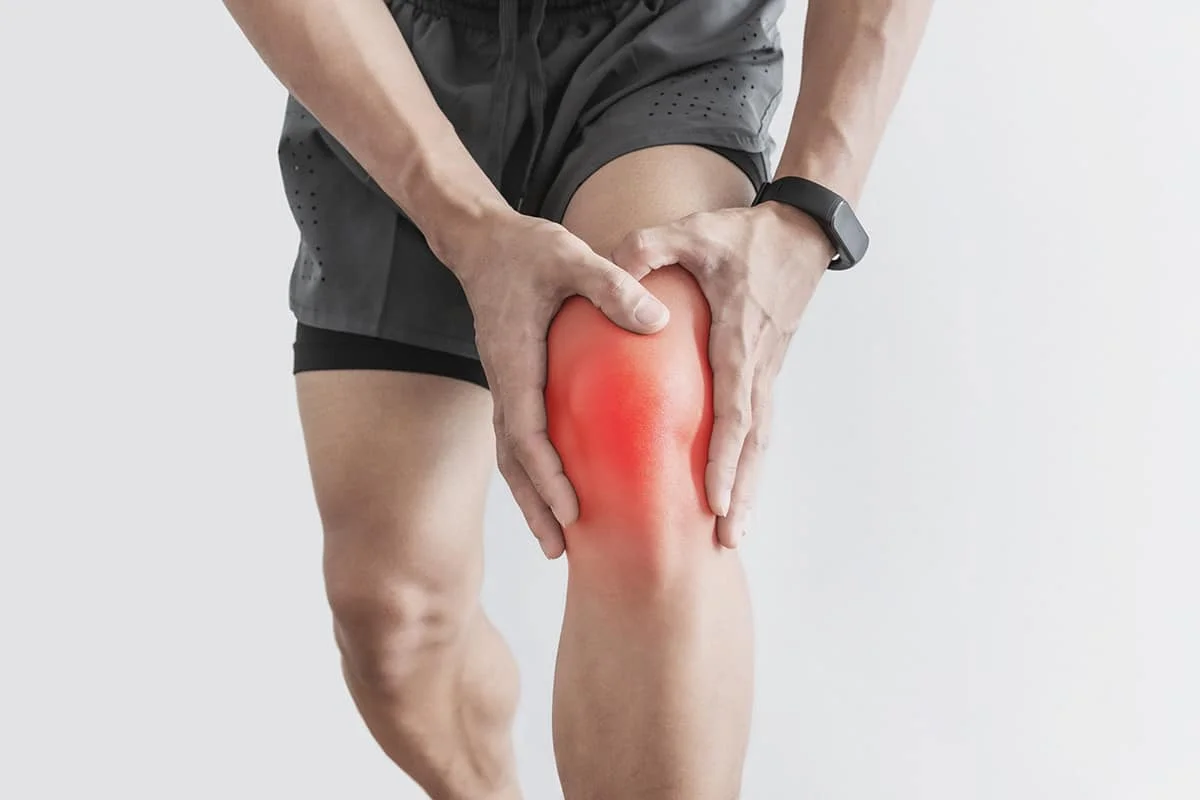
Knee bursitis occurs when one of the small fluid-filled sacs around the knee becomes irritated or inflamed. Common sites include the bursae at the front of the knee (prepatellar bursitis) or just below the kneecap. This can cause localised pain, swelling and tenderness, particularly with pressure, kneeling or repeated bending.
At work, symptoms are often influenced by how long the knee stays in one position, how much pressure is placed through the joint, and how frequently movement is built into the day. Understanding these patterns helps reduce irritation and support better comfort.
Inflamed knee bursae are especially sensitive to direct pressure, repeated bending, and prolonged static positions.
Common workplace contributors include:
• Prolonged sitting with the knees bent
Keeping the knee flexed for long periods can increase stiffness and discomfort when standing.
• Sitting on low chairs
Deeper knee bending increases compression around the front of the knee.
• Kneeling or pressure on the knees
Tasks that involve kneeling or resting the knees against hard surfaces can aggravate symptoms.
• Prolonged standing without movement
Holding the knee in one position can increase aching and swelling.
These factors often cause discomfort to build gradually through the working day.
Knee bursitis often responds well to reducing pressure, limiting prolonged bending, and using gentle, regular movement.
Try not to kneel or rest the knees on hard surfaces.
If kneeling is unavoidable, use cushioning or knee pads.
Choose a chair that allows the knees to sit comfortably, avoiding deep flexion.
A slightly higher seat can reduce pressure at the front of the knee.
Change position every 20–30 minutes by standing, walking briefly or gently straightening the knees.
Short, frequent movement breaks reduce stiffness more effectively than long breaks.
Light movement helps reduce stiffness without aggravating the bursa, such as:
Movements should feel smooth and stay within comfort.
Keep frequently used items within easy reach to avoid repeated squatting or bending.
Use handrails or lifts where available to reduce unnecessary knee strain.
Knee bursitis is often driven by pressure and prolonged positioning rather than high-impact activity. By reducing direct pressure, optimising seating and introducing regular gentle movement, many people can significantly improve knee comfort during the working day. Small, consistent adjustments can make a meaningful difference.