Entrenador de dolor
The hidden link between hamstring tendinopathy and workplace comfort
Nicola Tik
December 22, 2025

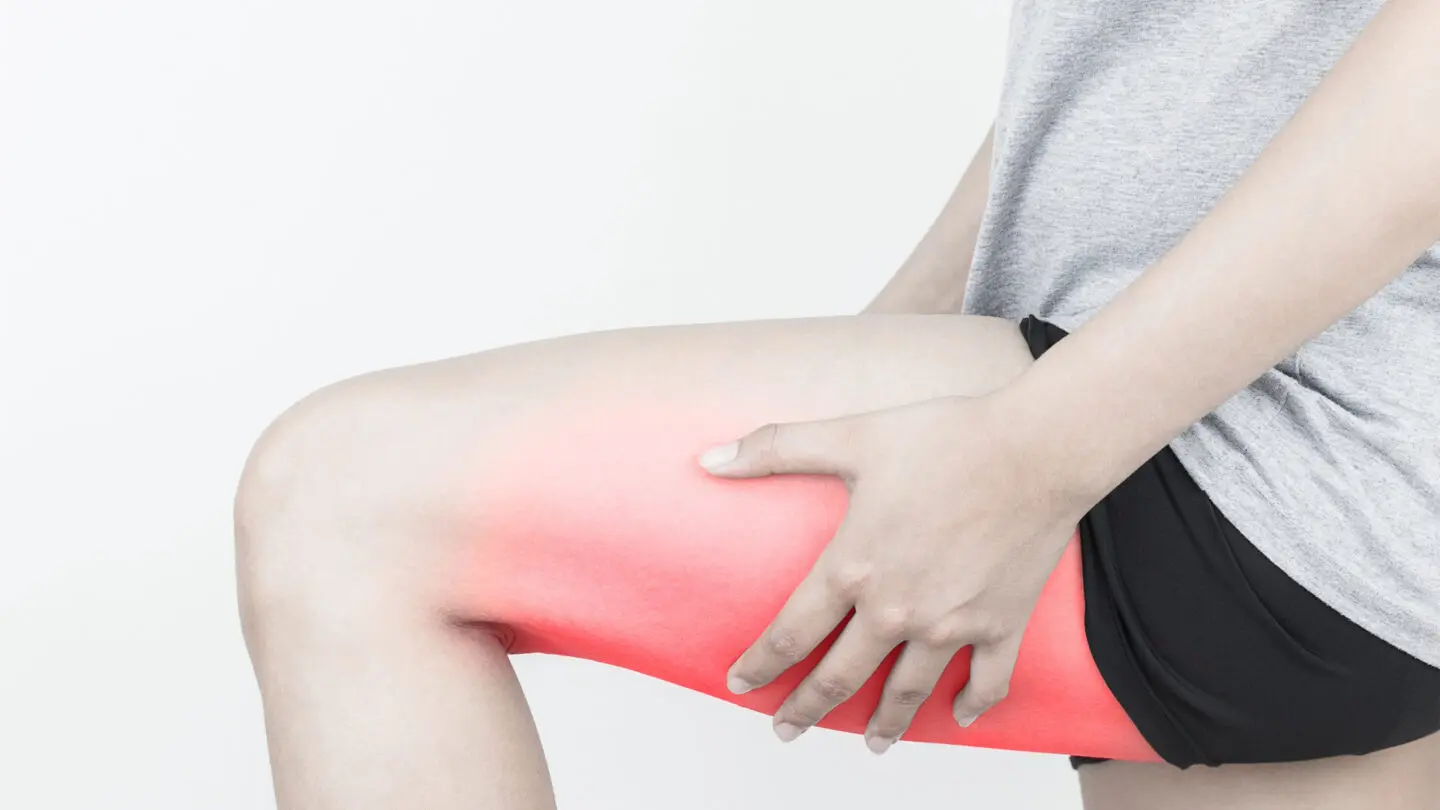
Hamstring tendinopathy occurs when the tendons at the top or bottom of the hamstring muscles become irritated through repeated load or prolonged strain. It commonly causes deep ache or discomfort around the sitting bones or the back of the thigh, often worse with prolonged sitting or certain movements.

At work, symptoms are strongly influenced by how long we sit, how the hips are positioned, and how frequently we change posture. Understanding these everyday patterns helps reduce irritation and support steadier comfort.

How hamstring tendinopathy affects comfort at work

Hamstring tendons are sensitive to prolonged stretch, compression, and sustained static positions.

Common workplace contributors include:

• Prolonged sitting, especially on firm chairs
Sustained pressure through the sitting bones increases tendon irritation.

• Sitting with the hips tucked under
Slouched postures place the hamstrings under constant stretch.

• Limited movement breaks
Staying in one position for long periods increases stiffness and discomfort when standing.

• Repeated forward bending
Frequent bending from the hips to reach items can aggravate the tendon.

These factors can cause discomfort to build gradually throughout the working day.

How to reduce strain and support comfort at work

Hamstring tendinopathy often responds well to reducing compression, improving sitting posture, and using regular, gentle movement.

1. Optimise sitting posture

Sit on the sit bones with weight evenly distributed rather than slumping.
A chair with firm support or a small seat cushion can help reduce pressure.

2. Break up prolonged sitting

Stand, walk or gently change position every 20–30 minutes.
Short, frequent movement breaks reduce tendon compression more effectively than long breaks.

3. Avoid prolonged hamstring stretch at work

Limit sitting with legs extended or deep forward bends during the workday.
Keep frequently used items within easy reach to reduce repeated bending.

4. Use gentle, comfortable movement

Light movement helps reduce stiffness without aggravating symptoms, such as:

Movements should feel smooth and stay within comfort.

5. Reduce asymmetrical loading

Avoid sitting on one hip or crossing the legs for long periods.
Balanced sitting helps reduce uneven tendon load.

Final thoughts

Hamstring tendinopathy is often influenced by prolonged sitting and sustained stretch rather than high-impact activity. By improving sitting posture, reducing compression and introducing regular gentle movement, many people can significantly improve comfort during the working day. Small, consistent adjustments make a meaningful difference.