Entrenador de dolor
The hidden link between cubital tunnel syndrome and workplace comfort

Dr Nicola Tik
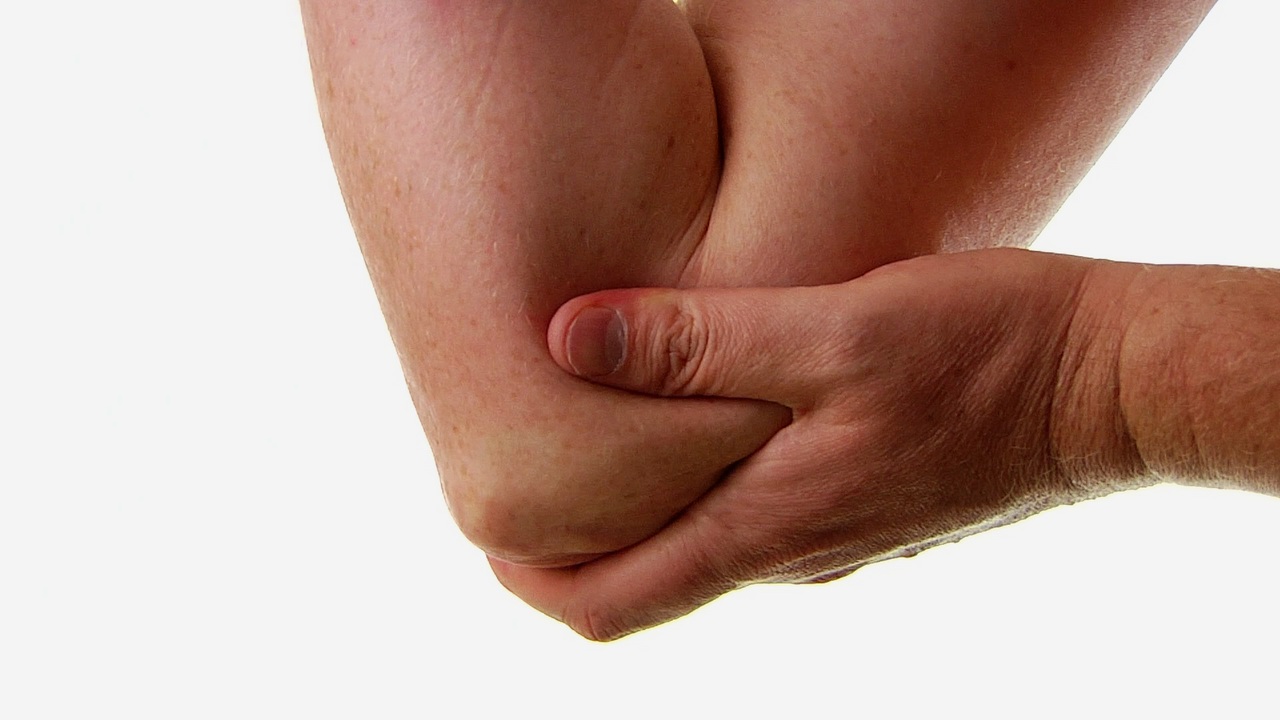
Cubital tunnel syndrome occurs when the ulnar nerve becomes irritated or compressed as it passes around the inside of the elbow. This can cause tingling, numbness or aching in the ring and little fingers, along with elbow discomfort or hand fatigue. Symptoms often fluctuate through the day and are commonly influenced by arm position and desk habits.
Because many work tasks involve prolonged elbow bending, leaning or repetitive hand use, everyday workplace behaviours can play a significant role in symptom severity.
Ulnar nerve irritation is particularly sensitive to sustained elbow flexion and pressure around the inner elbow.
Common workplace patterns include:
• Prolonged elbow bending
Holding the elbow flexed while typing, using a laptop or holding a phone increases pressure on the nerve.
• Leaning on the elbow or forearm
Resting the inner elbow on hard surfaces compresses the nerve directly.
• Working with the keyboard or mouse too close or too high
This can encourage excessive elbow bend or shoulder tension, increasing nerve sensitivity.
• Repetitive gripping or fine hand tasks
Sustained mouse use or keyboard work can increase fatigue and make nerve symptoms more noticeable.
These factors often combine to make tingling or numbness worse as the day progresses.
Cubital tunnel symptoms often improve with reduced elbow compression, more neutral arm positioning, and regular position changes.
1. Keep the elbow in a more neutral position
Aim to work with the elbow slightly more open rather than tightly bent.
Adjust chair height and desk setup so the forearm can rest comfortably without forcing deep elbow flexion.
2. Avoid pressure on the inner elbow
Do not lean on the elbow during work or meetings.
If forearm support is needed, use a soft surface and avoid resting directly on the inside of the elbow.
3. Bring the work closer
Position the keyboard and mouse so the arms can stay relaxed at your sides.
This reduces both elbow bend and shoulder tension.
4. Use gentle, comfortable movement
Light movement helps prevent stiffness and nerve irritation, such as:
Movements should feel easy and stop short of symptom aggravation.
5. Break up prolonged positions
Change posture every 20–30 minutes by standing briefly, opening the arms or adjusting elbow position.
Small, frequent changes are often more effective than long breaks.
Cubital tunnel syndrome is often strongly influenced by daily work habits. Reducing pressure at the elbow, avoiding prolonged bending and keeping the arms in a more neutral, supported position can significantly improve comfort. These small adjustments help manage symptoms and support steadier hand and arm function during the working day.